 Pin it
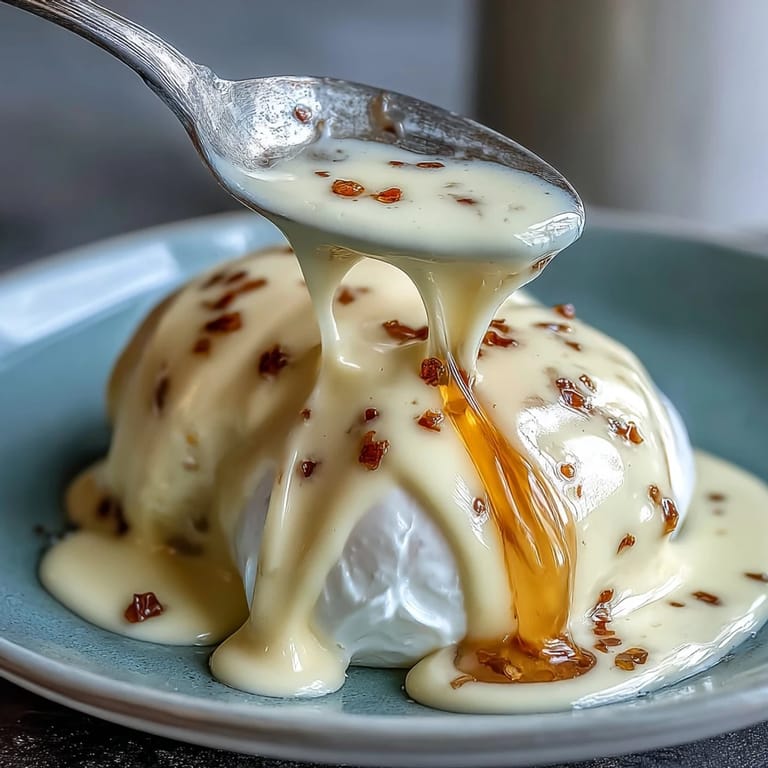
 The sound of the blender whirring on a sunny morning always means breakfast is about to turn into something indulgent. I stumbled upon this quick hollandaise trick precisely when my craving for eggs Benedict struck but my patience for traditional whisking was nowhere to be found. The way butter perfumes the air and the sauce turns glossy in seconds never fails to lift my spirits. It’s become a tiny thrill to watch luscious hollandaise pour straight from the blender, like magic. This recipe rescued my brunches more times than I care to count.
When friends dropped by unannounced one spring afternoon, I nervously suggested homemade eggs Benedict; secretly, I was banking on this speedy sauce to save me. They watched, wide-eyed, as breakfast went from humble to hotel-worthy in less time than it took to toast the muffins. Serving plates around the table, the buttery aroma mingled with laughter and the relief of a recipe gone right.
Ingredients
- Unsalted butter (1/2 cup, 115 g): Using good butter gives the sauce its iconic richness, and melting it until hot but not brown keeps the flavor clean and pure.
- Egg yolks (3 large): The base of hollandaise, providing that creamy texture—separating them when the eggs are cold makes it easier.
- Fresh lemon juice (1 tablespoon): This wakes up the whole sauce; squeezing it fresh makes all the difference.
- Dijon mustard (1/2 teaspoon, optional): I learned this trick for a more stable emulsion and a little tangy backbone—it’s subtle but effective.
- Salt (1/4 teaspoon): Even a small pinch brings out the sauce’s lushness; don’t skip it.
- Cayenne or black pepper (pinch): This is what gives the sauce its gentle warmth and hint of depth—tailor it to your taste buds.
Tired of Takeout? 🥡
Get 10 meals you can make faster than delivery arrives. Seriously.
One email. No spam. Unsubscribe anytime.
Instructions
- Melt the butter:
- Cut the butter into chunks and let it melt in a small saucepan or microwave-safe bowl until bubbling and hot, making sure it doesn’t brown or sizzle loudly.
- Prep the blender:
- Add the egg yolks, freshly squeezed lemon juice, Dijon mustard if using, salt, and a pinch of pepper into your blender pitcher; everything should look brilliantly golden.
- Blend to start:
- Secure the lid and blend for about 10 seconds, until the mixture is velvety and emulsified.
- Add the butter:
- Turn the blender to low speed and, with a steady hand, drizzle the hot melted butter in a thin stream while the blender is running. Watch as it thickens to a silky, rich sauce in under half a minute.
- Finish and serve:
- Give the sauce a final taste—add a bit more lemon or salt if it needs a lift, then rush it to the table over your favorite eggs or vegetables.
 Pin it
 I’ll never forget watching my dad, who claimed to dislike hollandaise, go back for seconds after his first bite of this version. Something about blending it together, laughing as he supervised my ‘sauce science experiment,’ made the whole family breakfast a memory we still bring up on busy weekends when a touch of luxury is in order.
What to Serve With Blender Hollandaise
There’s no rule that this sauce is only for eggs Benedict. I love to pour it generously over steamed asparagus, toss it with spring peas, or drizzle it atop a simple poached salmon fillet. Once, a friend dipped roasted potatoes in the leftovers and declared it unfairly delicious. Even basic sautéed greens or grilled artichokes suddenly feel restaurant fancy with just a spoonful.
How to Rescue a Broken Sauce
If your hollandaise splits or thickens too much, don’t panic—it happens to everyone at least once. Whisk in a tablespoon of hot water to bring it back to creamy life, or blitz it quickly in the blender with a splash more lemon. Sometimes, I find just letting the sauce sit in a warm spot for a minute gives it time to mellow and smooth out again.
Keeping Your Sauce Warm & Ready
Unlike the classic version, this blender hollandaise can cool quickly, but there is a way to keep it just right. Sit the blender jug in a bowl of warm water, not hot, and give it a stir every few minutes until ready to serve. Covered loosely, the sauce holds its shine and velvety texture longer than you’d expect.
- Always blend just before you need it.
- If you need to thin, add hot water only a teaspoon at a time.
- Never reheat hollandaise directly over heat or it’ll separate.
 Pin it
 Moments where you turn a simple brunch or dinner into something special need not be complicated. Keep this hollandaise recipe in your back pocket and see how easily every meal feels like a treat.
Recipe FAQ
- → How does the blender method create a stable sauce?
The blender shears the melted butter into fine droplets while the yolks and acid act as emulsifiers. A slow, steady drizzle of hot butter into the running blender produces a smooth, cohesive emulsion—control the pour and use moderate speed for best texture.
- → Can I use whole eggs instead of just yolks?
Whole eggs will produce a thinner, less rich sauce and can be more prone to separation. For classic richness and stability stick to yolks; if you need extra volume, add an extra yolk rather than a whole egg.
- → What prevents the sauce from splitting or curdling?
Use butter that's hot but not browned, add it very slowly while blending, and keep ingredients at a warm but not hot temperature. If the emulsion begins to break, whisk in a teaspoon of warm water or a fresh yolk to re-emulsify.
- → Can I make this ahead or keep it warm?
Hollandaise is best made just before serving. To hold briefly, set the blender jug in a bowl of warm (not hot) water. Avoid reheating directly on heat, which risks curdling; for short holds, warm water and gentle stirring work best.
- → Any simple flavor or texture variations?
Add extra lemon for brightness, a touch of Dijon for stability and tang, or a pinch of cayenne for heat. For a lighter texture, replace half the butter with a neutral oil; finish with chopped herbs for a fresh note.
- → Are there easy substitutions for dietary needs?
For a lighter version use half oil and half butter. For dairy-free options, use clarified vegetable oil and check substitutes for hidden allergens—expect changes in mouthfeel and flavor when altering the fat source.