 Pin it
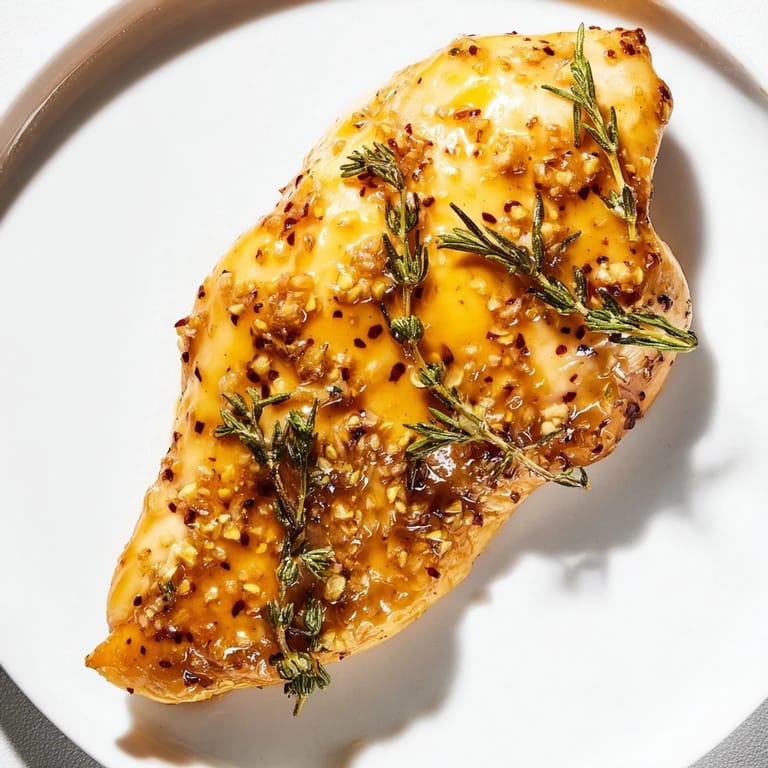
 The skillet was still warm from dinner when my neighbor asked what smelled so good through the open window. I had just pulled the chicken off the heat, and the honey-mustard glaze was bubbling softly, filling the kitchen with that sharp-sweet aroma that makes you want to stand there and breathe it in. It wasn't planned as anything special, just something I threw together on a Tuesday. But that's how the best meals happen sometimes.
I made this the night my sister came over unannounced, still in her scrubs from a long shift. She sat at the counter while I cooked, and by the time the chicken was done, she had already torn off a piece of bread to soak up the sauce from the pan. She didn't say much, just ate and sighed in that grateful way that means more than any compliment. That's when I knew this one was a keeper.
Ingredients
- Boneless, skinless chicken breasts (about 1 and a half lbs): Pat them dry before seasoning or they won't brown properly, just steam and turn gray.
- Dijon mustard (1/3 cup): This is the backbone of the sauce, sharp and grown-up in the best way.
- Honey (1/4 cup): Balances the mustard's bite without making it taste like candy, just use what you have in the pantain.
- Whole-grain mustard (2 tablespoons): Adds little pops of texture and a rustic edge that makes the sauce feel less smooth and more alive.
- Garlic (3 cloves, minced): Don't skip the quick saute, it mellows the rawness and makes the whole pan smell like comfort.
- Apple cider vinegar (1 tablespoon): Cuts through the richness and wakes up the other flavors without announcing itself.
- Low-sodium chicken broth (1/2 cup): Thins the sauce just enough to coat the chicken instead of sitting on top like a glob.
- Fresh thyme leaves (1 teaspoon or 1/2 teaspoon dried): Adds a quiet herbal note that makes the dish taste like you know what you're doing.
- Fresh rosemary, finely chopped (1 teaspoon or 1/2 teaspoon dried): Chop it fine or it'll feel like you're chewing on pine needles.
- Kosher salt (1/2 teaspoon) and black pepper (1/4 teaspoon): Season the chicken before it hits the pan, not after, or the flavor stays on the surface.
- Olive oil (2 tablespoons): For searing the chicken until it's golden and smells like the best part of dinner.
- Fresh parsley, chopped (optional): A handful at the end makes it look like you plated it on purpose.
Tired of Takeout? 🥡
Get 10 meals you can make faster than delivery arrives. Seriously.
One email. No spam. Unsubscribe anytime.
Instructions
- Prep the Chicken:
- Pat those chicken breasts completely dry with paper towels, then season both sides with salt and pepper. Wet chicken won't brown, it'll just sit there and weep.
- Sear the Chicken:
- Heat the olive oil in a large skillet over medium-high heat until it shimmers, then lay the chicken breasts in gently and let them sear for 3 to 4 minutes per side until golden brown. Transfer them to a plate and don't worry, they'll finish cooking later.
- Saute the Garlic:
- Lower the heat to medium, toss in the minced garlic, and stir it around for about 30 seconds until it smells toasty and fragrant. Don't let it burn or it'll taste bitter and ruin everything.
- Build the Sauce:
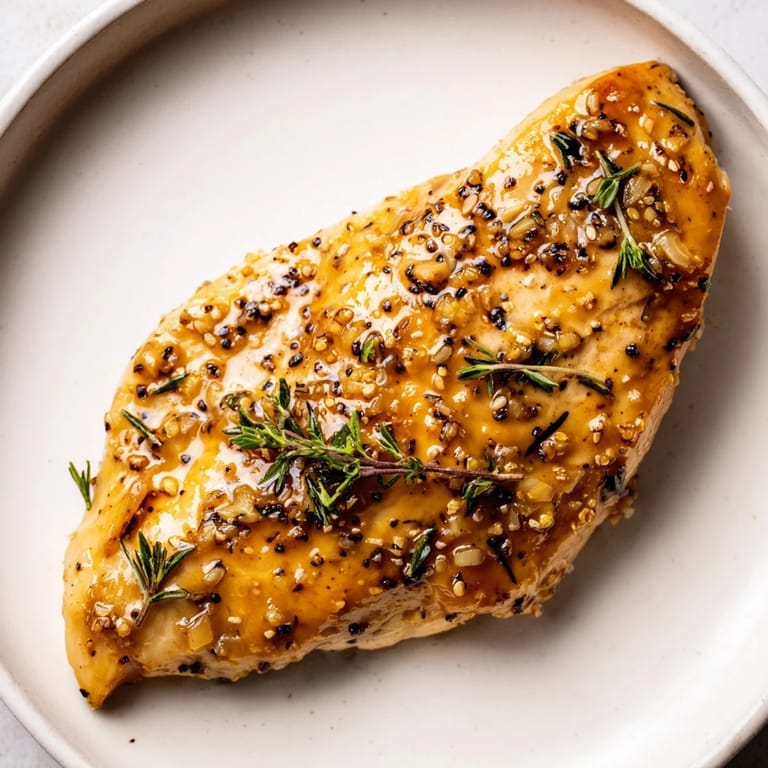
- Add the Dijon mustard, whole-grain mustard, honey, apple cider vinegar, and chicken broth to the skillet, then whisk it all together until smooth. Bring it to a gentle simmer and watch it start to thicken just a little.
- Add Herbs and Chicken:
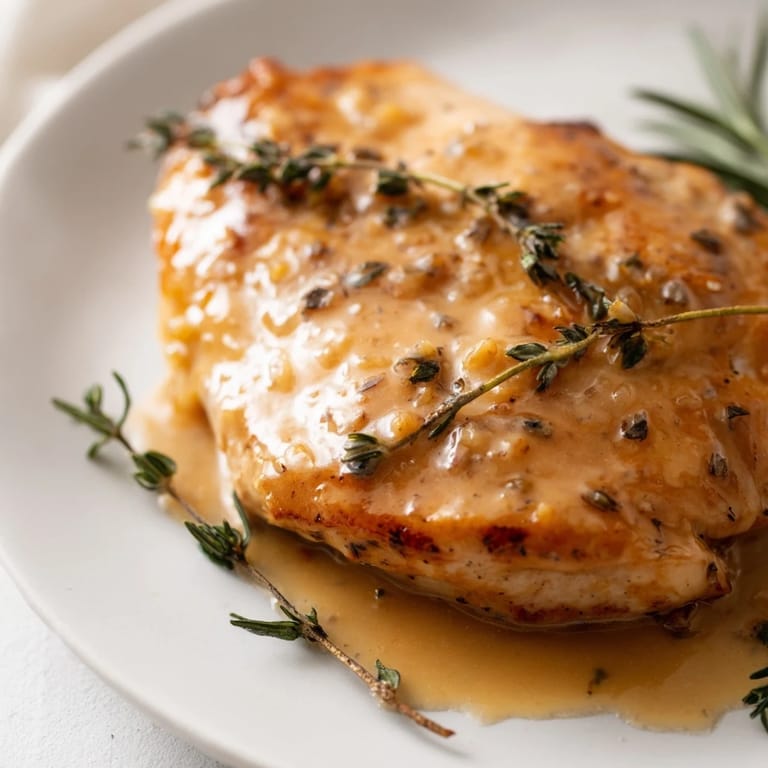
- Stir in the thyme and rosemary, then nestle the chicken breasts back into the skillet and spoon some of that glossy sauce over the top. Cover the pan and let it simmer for 10 to 12 minutes until the chicken reaches 165 degrees inside.
- Thicken the Sauce:
- Pull the lid off, crank the heat up just a touch, and let the sauce bubble uncovered for 2 to 3 minutes until it clings to the back of a spoon. This is when it goes from good to great.
- Garnish and Serve:
- Sprinkle chopped parsley over the top if you want it to look pretty, then serve it straight from the skillet. Everyone will think you're fancy.
 Pin it
 I served this over mashed potatoes the first time, and my husband used his fork to chase every last bit of sauce around the plate. He's not usually the type to say much about dinner, but he looked up and said, make this again. So I did, the next week, and the week after that. Now it's just part of the rotation, the kind of meal that feels like home even when everything else is chaos.
What to Serve It With
This chicken loves anything that can soak up the sauce. I've done rice, mashed potatoes, buttered egg noodles, even crusty bread torn into chunks. Roasted vegetables work too, especially carrots or green beans that can sit in the extra sauce on the plate. Keep it simple and let the skillet do the talking.
How to Store and Reheat
Leftovers keep in the fridge for up to three days in an airtight container, and they reheat beautifully in a skillet over low heat with a splash of broth to loosen the sauce. The microwave works in a pinch, but the stovetop keeps the chicken tender and the sauce silky. I've even eaten it cold, straight from the container, and it still tasted good enough to finish.
Ways to Make It Your Own
If you want it richer, stir in a couple tablespoons of heavy cream at the end and watch the sauce turn glossy and luxurious. Chicken thighs work just as well and stay juicier, though you might need an extra few minutes of cooking time. Sometimes I add a pinch of red pepper flakes for a little heat, or swap the rosemary for tarragon if I'm feeling fancy.
- Try serving it over cauliflower rice for a lighter option that still feels satisfying.
- Double the sauce if you're feeding a crowd, people will want extra to drizzle over everything.
- Make sure your skillet has a lid, or use a baking sheet in a pinch to trap the steam.
 Pin it
 This is the kind of recipe that makes weeknights feel less like a chore and more like something worth sitting down for. I hope it lands on your table as often as it does on mine.
Recipe FAQ
- → How do I know when the chicken is fully cooked?
The chicken is done when it reaches an internal temperature of 165°F (74°C) when measured with a meat thermometer at the thickest part. You can also cut into the largest piece to ensure no pink remains inside.
- → Can I use chicken thighs instead of breasts?
Yes, chicken thighs work wonderfully and stay juicier than breasts. They'll need 12-15 minutes of simmering instead of 10-12 minutes due to their thickness. Thighs also pair beautifully with this mustard sauce.
- → How can I make the sauce thicker?
After cooking the chicken, remove the lid and simmer uncovered for 2-3 minutes to allow excess liquid to evaporate. For a creamier sauce, stir in 2 tablespoons of heavy cream at the end and warm through gently.
- → What are good side dishes to serve with this?
Rice, mashed potatoes, and roasted vegetables pair excellently with the rich sauce. Egg noodles or crusty bread also work well for soaking up the flavorful mustard sauce.
- → Is this dish truly gluten-free?
Yes, the ingredients are naturally gluten-free. However, always verify that your chicken broth and mustard brands are certified gluten-free, as some may contain hidden gluten from processing or additives.
- → Can I prepare this ahead of time?
You can prepare the sauce mixture ahead and store it in the refrigerator for up to 2 days. Sear the chicken fresh when ready to cook for best texture, then combine with the prepared sauce and simmer as directed.