 Pin it
 The first time I truly understood falafel was in a cramped kitchen in Amman, watching my neighbor's hands move with the kind of practiced ease that comes from making something a hundred times. She never measured, never used a food processor, but somehow knew exactly when the chickpea mixture had the right texture—that perfect coarse grain that holds together but doesn't turn into paste. Years later, when I finally made my own batch at home, I realized she'd been teaching me something deeper than a recipe: the importance of patience, especially with soaking those chickpeas overnight and listening to what your hands tell you.
I still remember the first dinner party where I served these—my friend bit into one and her eyes widened before she'd even finished chewing. That moment when someone tastes something you've made and it exceeds their expectations, that's when cooking feels like magic. She asked for the recipe immediately, and honestly, that's when I knew I'd gotten it right.
Ingredients
- 1 cup dried chickpeas: Soak them overnight without fail—this matters more than you'd think, because dried chickpeas give you that perfect texture that canned ones just can't replicate, no matter how well you drain them.
- 1 small yellow onion, roughly chopped: The sweetness balances the earthiness of the chickpeas, and rough chopping means the food processor does less work.
- 3 cloves garlic, peeled: Fresh garlic is non-negotiable here; it adds a slight bite that makes everything taste alive.
- 1 cup fresh parsley leaves, packed: This is where the green brightness comes from, and it's why your falafel tastes vibrant instead of one-dimensional.
- 1/2 cup fresh cilantro leaves, packed: If you're cilantro-averse, you can skip this, but it adds a complexity that makes people wonder what your secret ingredient is.
- 2 tsp ground cumin: Warm and grounding, it's the spice that makes falafel taste like itself.
- 1 tsp ground coriander: Lighter and slightly floral, this prevents the cumin from becoming overwhelming.
- 1/2 tsp cayenne pepper: Optional, but a pinch of heat transforms these from pleasant to memorable.
- 1 tsp baking powder: The secret to fluffiness inside—it creates tiny air pockets that make each bite light instead of dense.
- 1 tsp salt and 1/2 tsp black pepper: Season generously; falafel's flavor hides in these seasoning layers.
- 3 tbsp all-purpose flour: This binds everything without making the mixture heavy, though chickpea flour works beautifully for a gluten-free version.
- Vegetable oil for frying: Use an oil with a high smoke point; vegetable or peanut oil works better than olive oil here.
Tired of Takeout? 🥡
Get 10 meals you can make faster than delivery arrives. Seriously.
One email. No spam. Unsubscribe anytime.
Instructions
- Soak the chickpeas:
- Rinse your dried chickpeas under cold water, then place them in a large bowl and cover generously with cold water—they'll expand, so give them room. Let them sit overnight or up to 12 hours until they're tender but still slightly firm to the bite.
- Pulse everything together:
- Drain and pat the soaked chickpeas dry, then add them to your food processor with the onion, garlic, parsley, and cilantro. Pulse gently until the mixture is coarse and sandy, holding together when you squeeze it—stop before it becomes smooth paste.
- Season and bind:
- Add cumin, coriander, cayenne, baking powder, salt, black pepper, and flour, then pulse briefly until everything is evenly mixed. The texture should resemble wet sand or couscous, not a batter.
- Shape with damp hands:
- Using clean, wet hands (the water prevents sticking), roll the mixture into balls about the size of a large marble or 1½ inches across. If the mixture feels too loose to hold a shape, mix in a bit more flour a tablespoon at a time.
- Heat the oil:
- Pour 2 inches of vegetable oil into a deep pot and heat it to 350°F on a thermometer, or until a small piece of the mixture sizzles and browns in about 30 seconds. This temperature is crucial—too cool and they'll be greasy, too hot and they'll burn outside before cooking through.
- Fry in batches:
- Gently lower 4 or 5 falafel balls into the hot oil and fry for about 3 to 4 minutes, turning them occasionally with a slotted spoon until they're deep golden-brown all over. Work in batches so you don't crowd the pot or cool down the oil.
- Drain and serve warm:
- Transfer the fried falafel to paper towels to drain any excess oil. Serve them still warm in pita bread with tahini sauce, fresh vegetables, and pickles, or arrange them on a mezze platter with hummus and other dips.
 Pin it
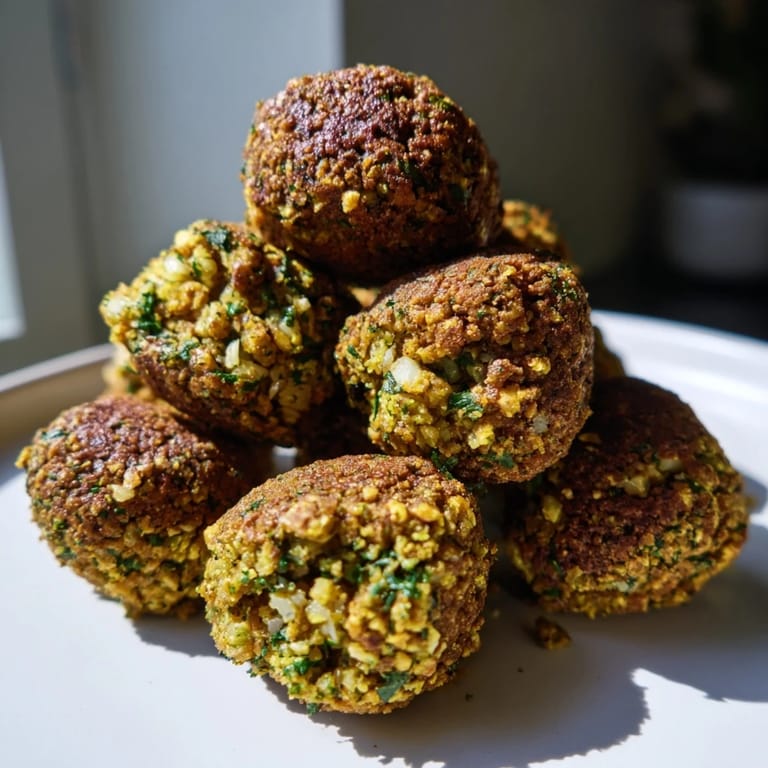
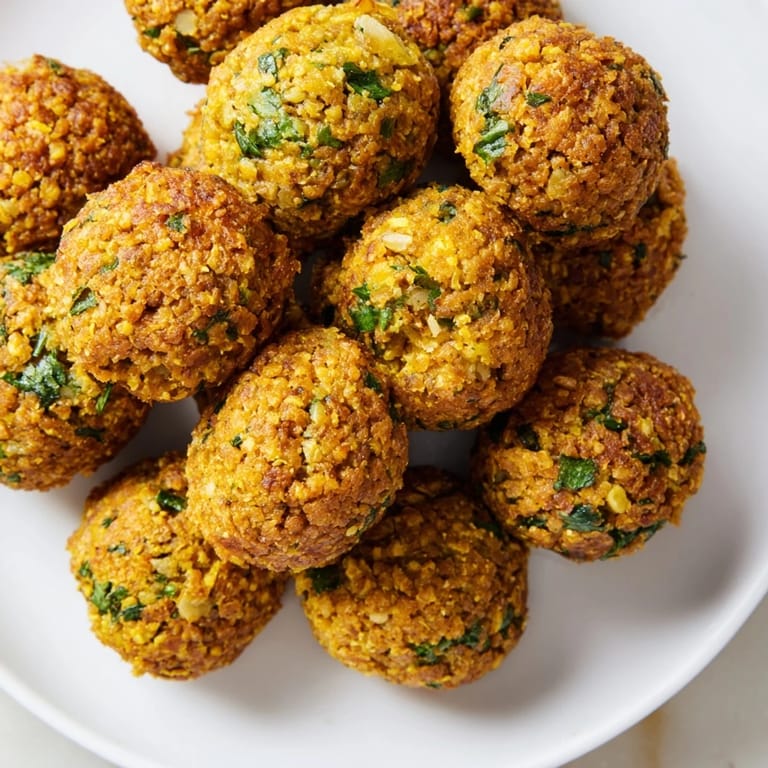
 There's something almost meditative about frying falafel—the gentle sizzle, the way the oil makes them spin and tumble, and then that moment when they float up and turn that perfect amber-gold color. I watch them like they're the most important thing in the world, because at that moment, to whoever's eating them, they are.
The Secret to Crispy Exteriors
The difference between falafel that's just good and falafel that's craveable comes down to temperature and timing. If your oil isn't hot enough, they'll absorb all the oil and feel heavy on your tongue; if it's too hot, the outside browns before the inside is cooked through. That 350°F sweet spot is where the magic lives, where the exterior crisps up while the inside stays fluffy and almost creamy.
Why Fresh Herbs Matter
A lot of people think falafel is just about spices, but those fresh herbs—the parsley and cilantro—are what separate homemade from forgettable. They brighten everything up and make the falafel taste like something alive instead of something that's been sitting on a shelf. The herb flavors are delicate and fade as the mixture sits, so make these as fresh as you can and use them the same day if possible.
Serving and Storage Ideas
Falafel is endlessly flexible—they're at home in warm pita with tahini sauce and crispy lettuce, scattered across a salad, or even tucked into a sandwich with hummus and roasted vegetables. Leftovers keep in an airtight container for up to three days and reheat beautifully in a 350°F oven for about five minutes, though honestly, they're also pretty delicious straight from the fridge.
- Serve alongside a creamy tahini sauce, hummus, or a yogurt-based dip for maximum flavor and satisfaction.
- A squeeze of fresh lemon juice brightens everything and cuts through the richness of the fried exterior.
- For a baked version, brush them lightly with oil and bake at 400°F for 20 to 25 minutes, turning halfway through.
 Pin it
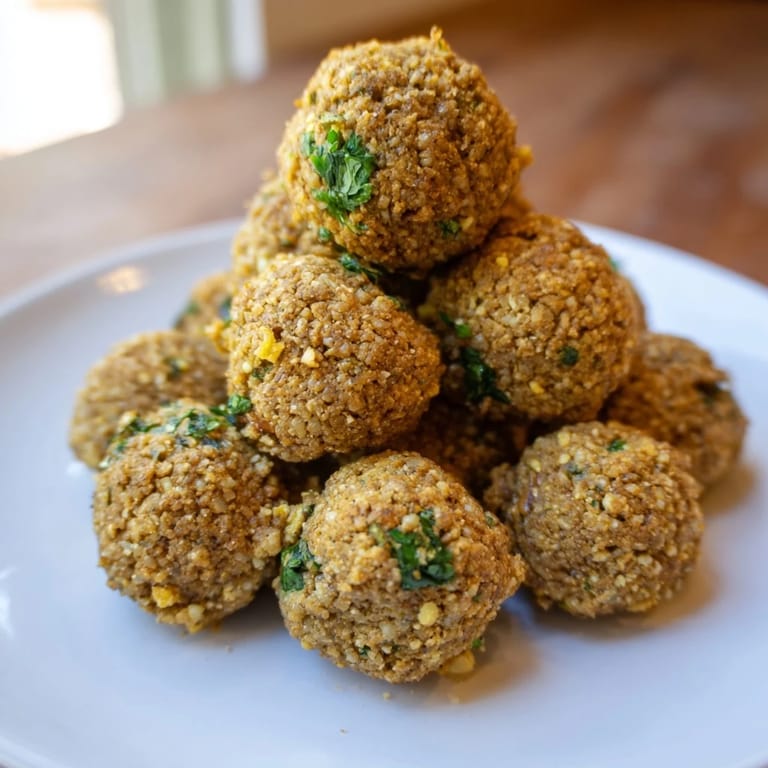
 These falafel balls have become my answer to the question "what should I bring?" when I want to impress someone with something homemade and thoughtful. There's real care in every crispy bite, and that matters.
Recipe FAQ
- → What is the best way to soak chickpeas for these falafel balls?
Soak dried chickpeas in plenty of cold water overnight (8–12 hours) to soften them for optimal texture and blending.
- → Can I bake the falafel instead of frying?
Yes, brush the formed balls with oil and bake at 400°F (200°C) for 20–25 minutes, turning halfway for even browning.
- → Which herbs enhance the flavor of these chickpea fritters?
Fresh parsley and cilantro add bright, aromatic notes that elevate the chickpea base beautifully.
- → What spices are used to season the falafel balls?
Ground cumin, coriander, cayenne pepper, salt, and black pepper create a warm, balanced spice profile.
- → How can I make the falafel gluten-free?
Use chickpea flour instead of all-purpose flour to maintain binding while keeping the fritters gluten-free.
- → What is the ideal oil temperature for frying?
Heat vegetable oil to 350°F (175°C) to achieve crispy, golden falafel without overcooking inside.