 Pin it
 The first time I tasted real chorba, I was sitting in a small kitchen in Algiers, watching my neighbor stir a pot that seemed to grow more fragrant by the minute. She'd been making it since dawn, she said, just like her mother had taught her. That soup—warm, complex, deeply savory—changed how I thought about what a simple bowl could hold. Now whenever I make it, that same kitchen comes alive in my own home, and I understand why this soup has been passed down through generations.
I made this for friends on a cold November evening, and what struck me most was how they quieted down the moment they tasted it. No one reached for their phone. No one hurried through the bowl. There was just the sound of spoons against ceramic and the occasional sigh of contentment, and I realized that's when you know a recipe matters—when it makes people present.
Ingredients
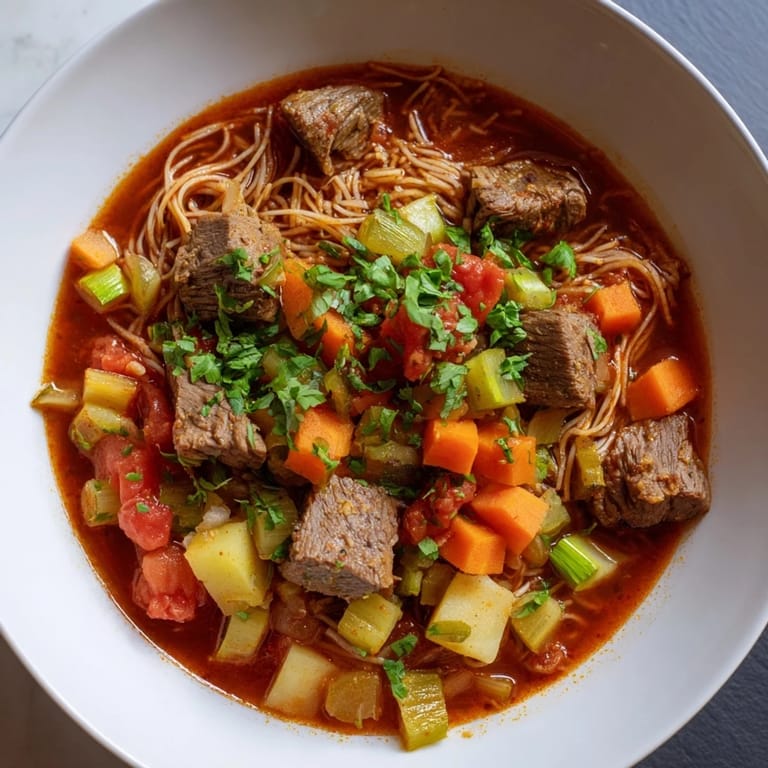
- Lamb shoulder: Use good-quality meat cut into 2 cm cubes—this size cooks perfectly without falling apart, absorbing all those spices while staying tender.
- Onion, carrots, celery, and potato: These are your foundation, the aromatic base that everything else builds on; don't skip browning them.
- Fresh tomatoes and canned tomatoes: The combination gives you both brightness and depth—the fresh adds a clean bite, the canned provides body.
- Tomato paste: Two tablespoons concentrates the savory notes and shouldn't be skipped, though I learned this the hard way the first time I made it.
- Cumin, coriander, paprika, cinnamon, turmeric: These warm spices are what make chorba distinctly North African; toast them briefly in the paste to wake them up.
- Zucchini: Added toward the end so it stays slightly firm and adds freshness to balance the richness of the lamb.
- Fresh coriander and parsley: Reserve some for garnish—they brighten every spoonful with a peppery green note.
- Olive oil and stock: Good oil matters here; use what you'd drizzle over bread, and beef stock (or water) carries the flavors without overpowering them.
- Vermicelli: Breaks down slightly into the broth, thickening it gently instead of dumping in heavy pasta.
Tired of Takeout? 🥡
Get 10 meals you can make faster than delivery arrives. Seriously.
One email. No spam. Unsubscribe anytime.
Instructions
- Brown the lamb until golden:
- Heat oil until it shimmers, then add lamb in a single layer. Let it sit for a minute—don't stir constantly—so it develops a caramelized crust that locks in flavor. You'll know it's ready when the meat releases easily from the pan.
- Soften the vegetables gently:
- Add onions, garlic, carrots, celery, and potato, stirring occasionally so they cook evenly without browning too much. They should be tender enough to break with a wooden spoon after five minutes.
- Bloom the spices in tomato paste:
- This two-minute step is crucial—the heat unlocks the oils in the spices, filling your kitchen with that distinctive warm aroma. You'll smell the shift when it's ready.
- Build the soup with tomatoes and zucchini:
- Stir in both fresh and canned tomatoes along with the zucchini, making sure nothing sticks to the bottom. The color should deepen to a rich rust-red.
- Simmer low and patient:
- Once you bring it to a boil and reduce the heat, this is hands-off time except for occasional foam-skimming. An hour of gentle simmering is what makes the lamb melt and the broth velvety.
- Add the pasta in the final stretch:
- Vermicelli goes in last—ten to twelve minutes is all it needs to soften without dissolving completely. Stir it in gently so it distributes evenly.
- Finish with fresh herbs:
- Stir in the chopped parsley and coriander just before serving so they stay vibrant green and peppery. Taste and adjust salt—you might need more than you expect.
- Serve with intention:
- Ladle into warm bowls, scatter reserved herbs over top, and serve with lemon wedges on the side. The squeeze of acid right before eating brightens everything.
 Pin it
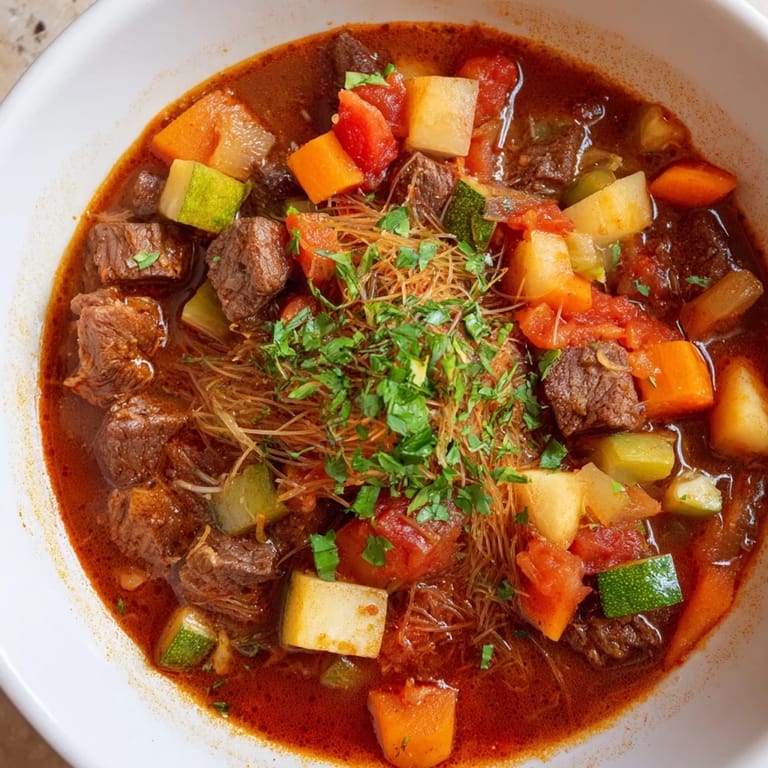
 I remember my neighbor insisting I taste the broth before the pasta went in, telling me that's when you really understand what you've made. She was right—that moment before the final additions, when it's just spiced lamb, vegetables, and broth, is when you taste the soul of the dish. Everything after is just comfort.
Why the Spices Matter
This soup doesn't rely on a single dominant spice but rather a careful conversation between warming spices that are common across North Africa. Cumin brings earthiness, coriander adds a subtle citrus note, paprika gives gentle heat and color, and cinnamon ties everything together with warmth that makes you want to wrap your hands around the bowl. Turmeric adds an almost mineral depth, while chili flakes are there if you want them to sing louder. Learning to appreciate how these spices work together changed how I cook.
The Right Way to Layer Flavor
Chorba teaches you something important about cooking: flavor doesn't happen all at once, it's built in stages. You brown the lamb for depth, sauté vegetables for sweetness, bloom spices for complexity, and then let time and gentle heat marry everything together. The canned tomatoes add body, the fresh tomato adds brightness, and the herbs at the end add life. It's a small master class in why recipes ask you to do things in a specific order.
When to Serve It and What Goes Alongside
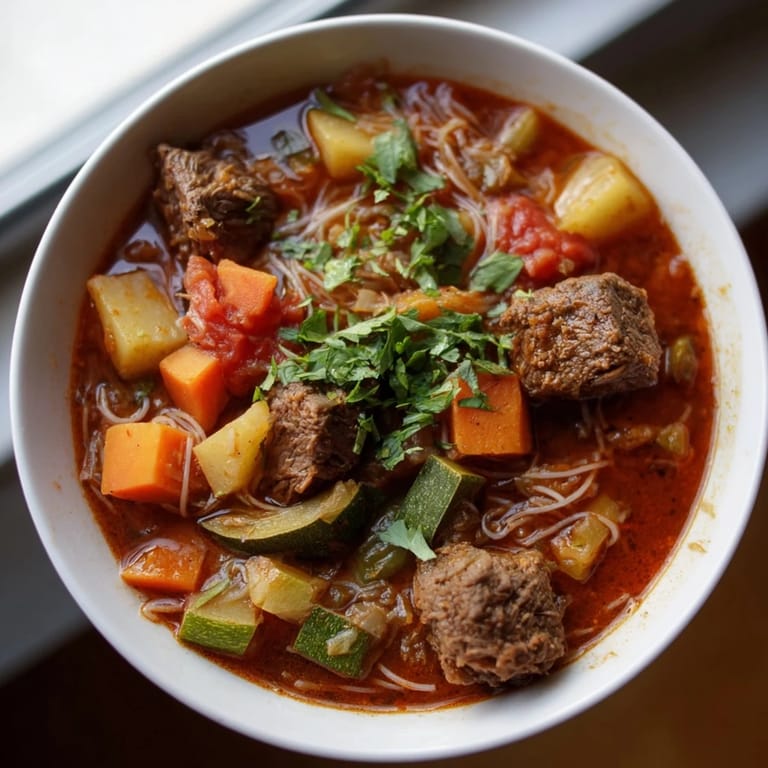
Chorba sits at that perfect place between a starter and a main course, depending on hunger and season. On cold evenings, it's a complete meal with crusty bread and maybe a simple salad. In warmer months, I've served it as the opening course, with something lighter to follow. A squeeze of fresh lemon is almost mandatory—it lifts the soup and makes the spices feel brighter.
- Pair it with warm flatbread or crusty sourdough that can soak up every drop.
- A simple side salad with olive oil and lemon balances the richness perfectly.
- If you're making it for guests, offer lemon wedges on the side so everyone can adjust the brightness to their taste.
 Pin it
 This soup is proof that simple ingredients, when treated with respect and patience, become something memorable. Make it when you want your kitchen to smell like somewhere far away.
Recipe FAQ
- → What cut of lamb is best for this dish?
Using lamb shoulder cut into cubes ensures tenderness and flavor during the slow simmer.
- → Can I substitute the vermicelli with another pasta?
Yes, small soup pastas like orzo or thin noodles work well, but adjust cooking time accordingly.
- → How can I adjust the heat level?
Reduce or omit chili flakes for a milder flavor, or increase for extra warmth.
- → What can I use instead of beef stock?
Water is suitable, or a vegetable broth for a lighter taste without altering the core flavors.
- → Is it possible to make a lighter version?
Chicken can replace lamb, delivering a lighter protein profile while maintaining the dish’s essence.
- → What herbs garnish this dish?
Freshly chopped parsley and coriander sprinkled before serving enhance aroma and freshness.