 Pin it
 I discovered this dish completely by accident one October when I had a lonely butternut squash sitting on my counter and a craving for mac and cheese that wouldn't quit. Rather than making two separate things, I thought, why not blend them together? That first batch was chaotic—I overcooked the squash, my blender nearly exploded with hot milk, and somehow I forgot the mustard until the very end—but something about that creamy, golden sauce with hints of autumn spice made me feel like I'd stumbled onto something real. Now it's the dish I make when I want comfort that tastes like it took actual thought.
I made this for a dinner party once when I was trying to impress someone who claimed to be a serious cook, and I was honestly nervous about serving mac and cheese. But watching their face when they tasted it—that moment when they paused mid-bite and looked genuinely surprised—that's when I stopped apologizing for comfort food and started owning it.
Ingredients
- Elbow macaroni or small shells, 340 g (12 oz): Small shapes hold the sauce better than long pasta, and they cook evenly if you don't stir too aggressively.
- Butternut squash, 500 g (1 lb), peeled and cubed: Cut pieces fairly uniform so they roast at the same speed; aim for roughly 1-inch cubes.
- Olive oil, 1 tbsp: Just enough to coat the squash so it caramelizes instead of steams.
- Salt and black pepper for squash, 1/2 tsp and 1/4 tsp: Season before roasting so the flavor develops in the oven.
- Unsalted butter, 2 tbsp: Unsalted gives you control over the final salt level in the sauce.
- All-purpose flour, 2 tbsp: This is your thickening agent; whisk it in carefully to avoid lumps.
- Whole milk, 480 ml (2 cups): Whole milk makes a richer sauce than lower-fat options, and the difference is noticeable.
- Sharp cheddar cheese, 120 g (1 cup), grated: Sharp means flavor; mild cheddar will disappear into the squash.
- Gruyère or fontina cheese, 60 g (1/2 cup), grated: This adds a subtle nuttiness that complements the squash beautifully.
- Nutmeg, 1/8 tsp: A whisper of nutmeg, not a shout—too much and it tastes like pumpkin pie.
- Dijon mustard, 1/2 tsp: This sounds odd but it wakes up the cheese and makes everything taste more savory.
- Panko breadcrumbs, 30 g (1/4 cup): Only if you want a topping; they get golden and crispy under the broiler.
- Melted butter for topping, 1 tbsp: This makes the breadcrumbs actually brown instead of staying pale.
- Parmesan for topping, 2 tbsp, grated: Adds a salty, umami edge to the crust.
Tired of Takeout? 🥡
Get 10 meals you can make faster than delivery arrives. Seriously.
One email. No spam. Unsubscribe anytime.
Instructions
- Roast the squash until it's golden and tender:
- Preheat your oven to 200°C (400°F), toss the cubed squash with olive oil, salt, and pepper, spread it on a baking sheet in a single layer, and let it roast for 20–25 minutes until the edges are caramelized and a fork slides through easily. You'll know it's ready when the kitchen smells sweet and a little nutty.
- Get the pasta cooking and the squash pureed:
- While the squash roasts, bring a large pot of generously salted water to a rolling boil, cook the pasta until it's just al dente (a minute or two before the package says), then drain it and set it aside. Once the squash is done, blend it with 1/2 cup of milk until completely smooth—no lumps, no chunks.
- Build the sauce with a proper roux:
- In a large saucepan over medium heat, melt the butter, then add the flour and stir constantly for 1–2 minutes until it smells nutty and turns light golden. Gradually whisk in the remaining 1 1/2 cups of milk in steady pours, stirring the whole time to break up any lumps before they have a chance to form.
- Thicken and smooth the sauce:
- Keep stirring and let the milk heat through for about 3–4 minutes until the sauce coats the back of a spoon and you can draw a line through it with your finger. It should look like gravy, not thin cream.
- Add the squash and cheeses:
- Pour in the pureed squash, then add both cheeses, the nutmeg, and the Dijon mustard and stir until everything melts together into a smooth, creamy sauce. Taste it and season with salt and pepper until it tastes right to you—remember the pasta wasn't seasoned much, so this is where you balance the flavors.
- Combine with the pasta:
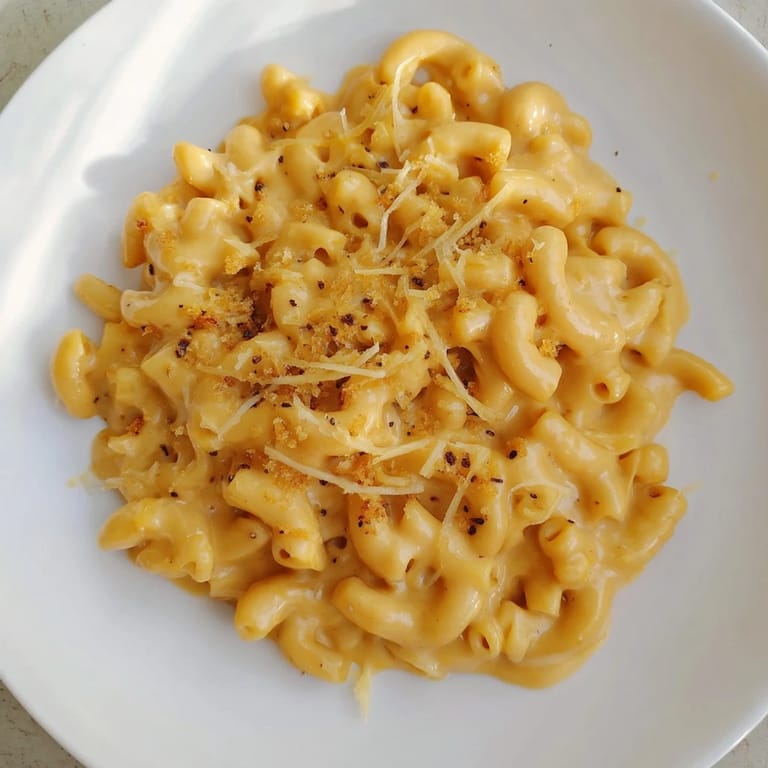
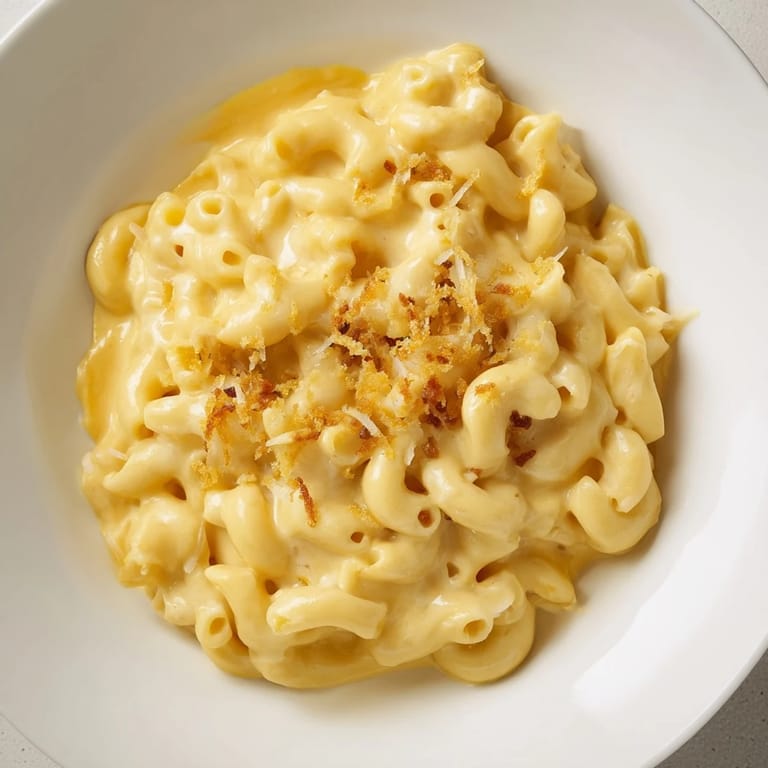
- Add the cooked pasta to the sauce and stir gently until every piece is coated and you see no dry pasta peeking out. It should look like glossy, creamy comfort.
- Optional crispy topping:
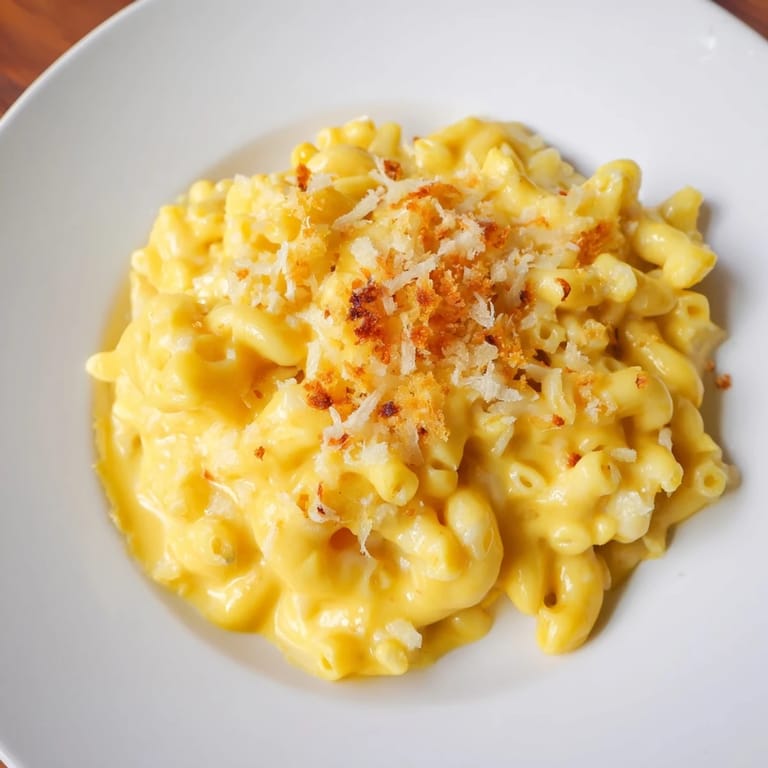
- If you want texture, transfer everything to a lightly greased baking dish, mix the panko with melted butter and parmesan, scatter it over the top, and slide it under the broiler for 2–3 minutes until the topping turns golden and crispy. Watch it closely so it doesn't burn.
- Serve while it's hot:
- Spoon it into bowls or onto plates right away, and if you want, top with a little extra cheese or some fresh herbs like chives or parsley.
 Pin it
 There's something about watching someone take a second bite of this without being asked that makes cooking feel worth it. It's not fancy, it's not trendy, but it's genuine.
Why Roasting Changes Everything
I used to boil squash for this, thinking it would be faster, and the dish tasted watery and one-dimensional. Then I tried roasting and everything shifted—the natural sugars concentrate, the texture becomes creamy instead of mushy, and the whole sauce tastes deeper. The difference isn't subtle. Roasting takes maybe five extra minutes of hands-on time and transforms the entire dish.
Cheese Pairing Matters More Than You'd Think
The sharp cheddar provides the backbone of flavor, but the Gruyère is what stops this from tasting like standard mac and cheese. Gruyère has this subtle hazelnut note that echoes the squash without competing with it. If you swap it for mild cheddar or processed cheese, the sauce tastes flatter and less interesting. I learned this through trial and error and too many batches, but it's worth understanding—cheese choice isn't just about availability, it's about intention.
Making It Your Own
The base recipe is solid, but I've learned it adapts beautifully depending on what's in your kitchen and what you're craving. Sometimes I add sautéed spinach or kale for color and nutrition, sometimes crispy bacon for people who need meat with their comfort food, and once I stirred in some roasted mushrooms because I had them hanging around. The dish is forgiving if you respect the fundamentals—the roux, the caramelized squash, the cheese balance.
- Swap the Gruyère for fontina or even a good mozzarella if you want something milder and softer.
- Fresh thyme or sage stirred in at the end adds a subtle herbal note that bridges autumn and sophistication.
- A tiny pinch of cayenne pepper gives warmth without heat, if you like layers of flavor.
 Pin it
 This dish became a regular in my rotation because it proves that comfort food doesn't have to be boring, and that adding one thoughtful ingredient can change how people think about a classic. Make it when you need warmth, when you want to feed people something that feels like home, or when you just want to prove to yourself that you can make something delicious.
Recipe FAQ
- → What type of squash is used in this dish?
Butternut squash is peeled, cubed, and roasted to bring out its sweet, nutty flavor, which forms the base of the sauce.
- → Which cheeses blend well in the sauce?
Sharp cheddar brings tanginess while Gruyère or fontina adds a smooth creaminess, balancing the overall flavor.
- → Can I add a crunchy topping?
Yes, a mix of panko breadcrumbs, melted butter, and grated parmesan sprinkled on top and broiled creates a golden, crispy finish.
- → How do I achieve a smooth cheese sauce?
Whisk flour with melted butter before gradually adding milk, then stir in pureed squash and cheese until fully melted and creamy.
- → What pasta types are best suited for this dish?
Elbow macaroni or small shell pasta work well, holding the creamy sauce and allowing even coating throughout.
- → Can I customize this dish with additional ingredients?
Absolutely, add sautéed greens like spinach or kale for freshness, or proteins like chicken or bacon for a non-vegetarian twist.