 Pin it
 The first time I encountered capirotada, I was drawn in not by its reputation, but by the scent that floated out from my neighbor's kitchen one breezy Sunday afternoon. The cinnamon and piloncillo seemed to mingle with the laughter spilling onto the patio, and I couldn’t resist peeking in to see what was happening. Someone was layering dry bread with sweet syrup in a faded glass dish, and I asked if I could help. They handed me a spoon, and that simple act made me feel immediately at home. It was less about tradition and more about the vibrant, hands-on ritual of building something delicious together.
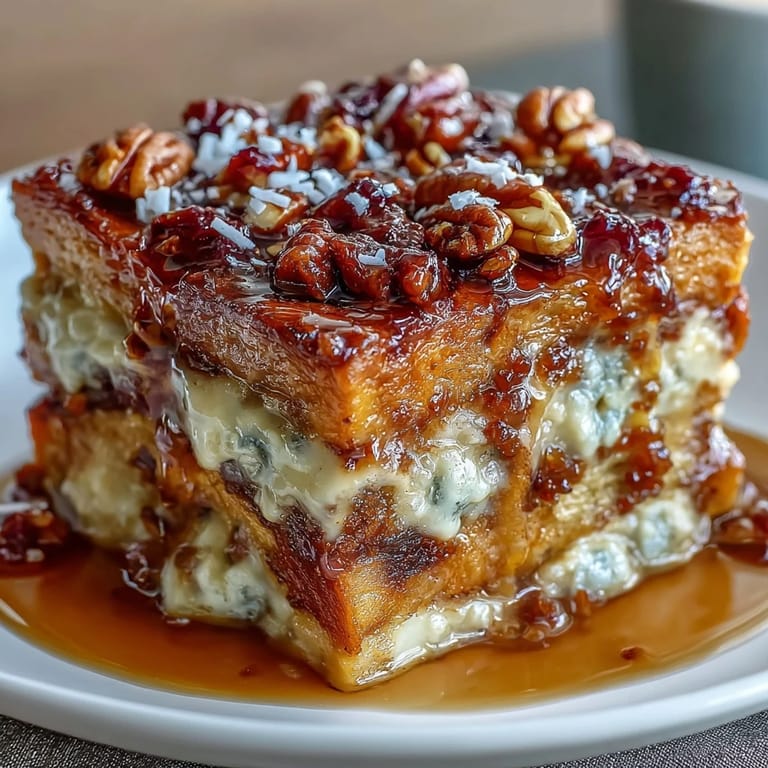
The capirotada I made for my cousin’s birthday turned into an impromptu gathering, with everyone crowded around the kitchen trying to name all the ingredients. Someone accidentally dropped a handful of extra chopped pecans onto the finished dish, and we agreed it tasted better that way. We ended up eating it right from the baking dish, warm and gooey, laughing about the “pecan incident” long after dessert. It’s funny how one small mistake can make a recipe feel like it belongs to everyone. Even the dog managed a stray raisin beneath the table, and nobody protested.
Ingredients
- Bread: Using slightly stale bolillo or French bread gives the pudding its firm, chewy structure—if your bread is too fresh, try toasting it longer for extra crunch.
- Piloncillo (or dark brown sugar): This rich sweetener creates a syrup so fragrant, you’ll want to inhale while it simmers—chop it finely for easier melting.
- Cinnamon stick & cloves: Whole spices infuse the syrup with deep warmth; fishing them out after simmering prevents bitterness.
- Raisins & dried apricots/prunes: They add subtle tartness and chewy sweetness—soaking them briefly in the syrup plumps them up to perfection.
- Pecans, peanuts, & almonds: The nut mix brings crunch and earthiness; toast them lightly beforehand for an even bolder flavor.
- Shredded mild cheese: A salty, creamy layer (try queso fresco or Monterey Jack)—spread it evenly for pockets of meltiness in every bite.
- Sweetened coconut flakes: Optional, but dusting the top with these before baking adds a tropical hint and nice color.
- Butter: Melted butter helps brown the top and deepens the richness—always drizzle it right before baking for best results.
Tired of Takeout? 🥡
Get 10 meals you can make faster than delivery arrives. Seriously.
One email. No spam. Unsubscribe anytime.
Instructions
- Prep the Oven and Dish:
- Set the oven to 180°C (350°F), then butter your baking dish so the bread doesn't stick and the edges crisp up beautifully.
- Toast Your Bread:
- Spread bread slices on a baking sheet and toast them for 10–12 minutes, flipping halfway—listen for the dry crackle and watch for a golden shade.
- Make the Syrup:
- Combine water, piloncillo, cinnamon, and cloves in a saucepan; bring to a boil, then simmer until the smell makes you want dessert for dinner. Strain and discard the spices, but keep all the syrupy goodness.
- Layer the Ingredients:
- Arrange about a third of bread in your dish, shower with fruit, nuts, and cheese, and repeat the layering—be generous so every forkful gets a bit of everything.
- Pour the Syrup:
- Slowly ladle the warm syrup over the layers, letting it soak in and soften the bread (don't rush, savor how it bubbles).
- Add Toppings and Bake:
- Drizzle melted butter and sprinkle coconut if using, then cover with foil. Bake for 25 minutes, uncover, and finish golden for another 10–15 minutes.
- Rest and Serve:
- Let your capirotada rest to settle the flavors. Serve warm or at room temperature while everyone hovers nearby.
 Pin it
 One chilly evening after Lent, I brought out a tray of capirotada just as friends arrived, still bundled up and shaking off the cold. The dessert disappeared faster than we could pour the coffee, and someone quietly swiped the corner piece with extra nuts. It wasn’t about the holiday anymore, just the easy warmth of sharing something sweet and handmade. Now every time I make it, the hum of anticipation in the kitchen feels like its own celebration.
The Magic of Layering
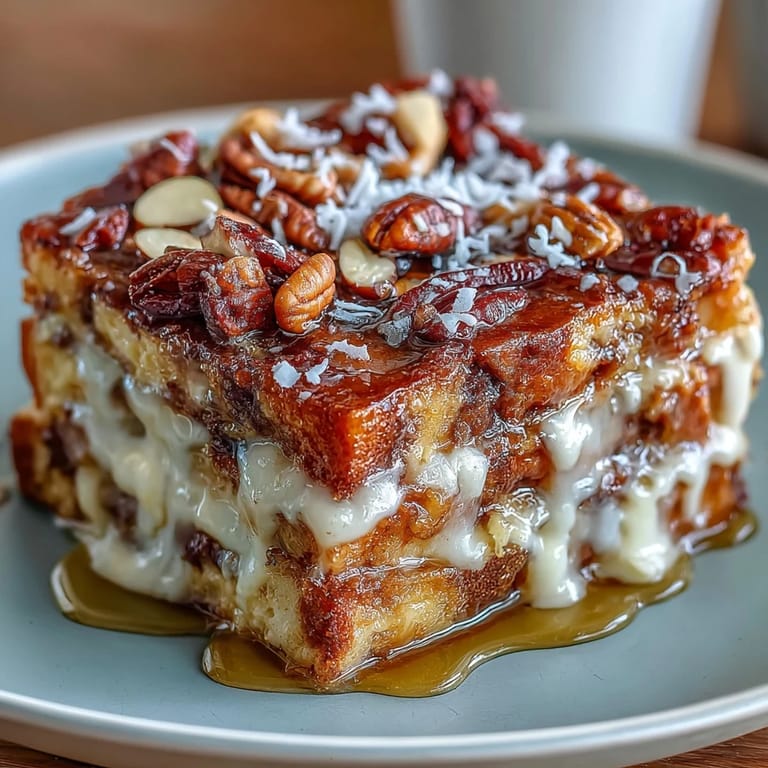
You’ll see that stacking dry bread, nuts, fruit, and cheese makes every slice unique—some bites rich and cheesy, others sweet and textured. I always encourage doubling up on the fruit if you like those juicy, tart surprises. Layering lets everyone find a favorite bit, and even uneven stacks turn out perfectly rustic. Make sure each layer gets its share of syrup to avoid dry spots.
Choosing Your Cheese
Experimenting with cheese is half the fun—if you prefer a mild melt, Monterey Jack or mozzarella work well, but queso fresco brings a light tang. Sometimes, I sprinkle a little extra just before the final bake for those golden, bubbly pockets on top. The cheese helps balance the sweetness, so don’t skip it unless you must for allergy reasons.
Bread Pudding, Friend Ready
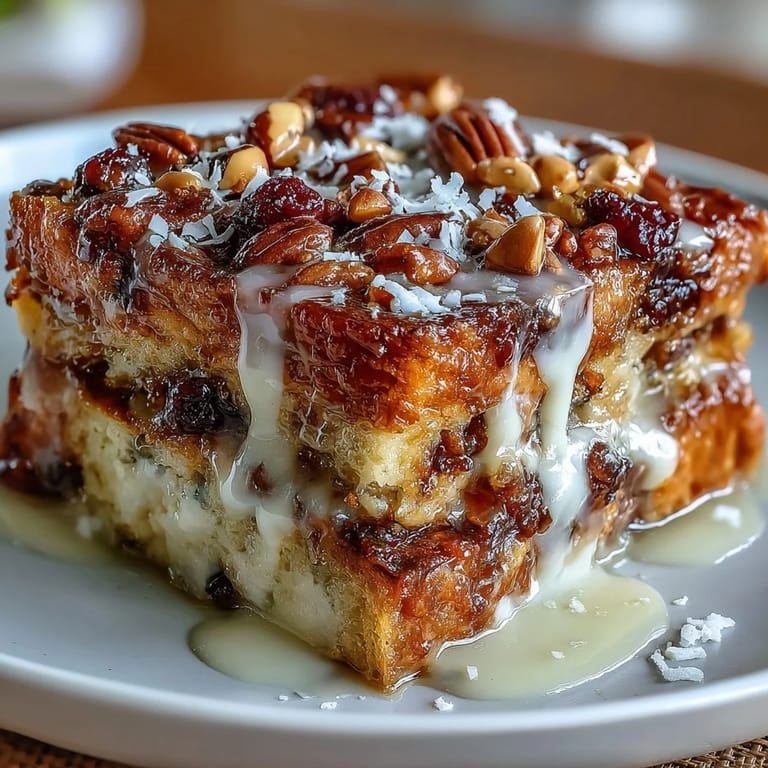
Capirotada was never meant to be a solitary treat—it’s designed for sharing, breaking the crusty top and scooping out generous helpings. I always leave extra napkins nearby, since the sticky syrup invites messy, happy eating. Even leftovers taste better the next day, reheated with a splash of milk or paired with coffee.
- Don’t hesitate to try bananas or apples for more fruitiness.
- Serve with vanilla ice cream for extra decadence.
- Keep an eye out for the corner pieces—they’re always the crispiest and most sought after.
 Pin it
 May your next capirotada be filled with laughter, crunch, and good company. Sharing this Mexican classic is as sweet as the dessert itself.
Recipe FAQ
- → What bread works best for capirotada?
Bolillo or French bread is ideal; use slightly stale bread for better texture and absorption.
- → Can I substitute piloncillo with another sweetener?
Dark brown sugar can be used if piloncillo is unavailable, offering a similar sweetness and flavor.
- → What fruits and nuts are traditional in capirotada?
Raisins, dried apricots or prunes, pecans, peanuts, and almonds provide flavor and texture variation.
- → How can I make capirotada lighter?
Reduce the cheese or use a lactose-free alternative for a less rich version. Extra fruit can add freshness.
- → Is it served warm or cold?
Capirotada can be enjoyed warm or at room temperature, depending on personal preference.
- → Does it contain allergens?
Yes, it contains dairy, tree nuts, peanuts, and gluten from bread. Always check product labels for sensitivities.