 Pin it
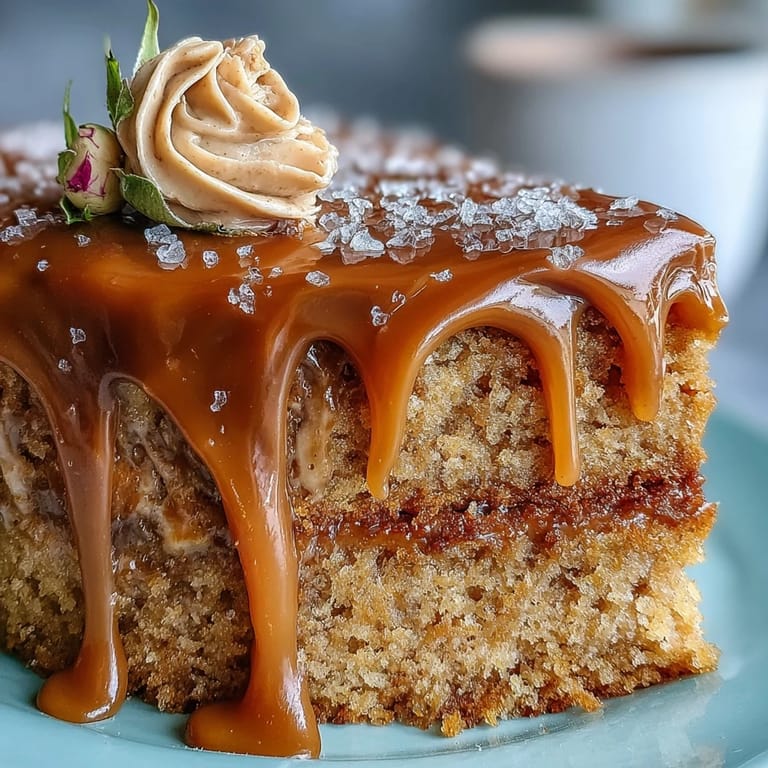
 The first time I decided to create this Taurus Cake, the kitchen was filled with the warm crackle of the radio and the scent of brown sugar slowly melting in a saucepan. I found inspiration in the sturdy calm of early spring, wanting a cake that was both grounded and softly floral. As the butterscotch bubbled, I caught myself humming, already imagining the earthy colors swirling through the buttercream. Sometimes it's the subtle challenge of getting flavors just right that makes baking so absorbing. Bold layers, delicate blooms, a little bit of whimsy—all came together in this showstopper.
Last spring, I surprised two close friends with this cake after a walk through the local botanical garden. We laughed over uneven layers, but the moment I sliced through and revealed the earth-toned marbling, everyone at the table let out a collective gasp of delight. It's the kind of cake that lingers in the memory, not just for its looks, but for the way it gently scents the air. Even the skeptics cleaned their plates. I've since made it for Taurus season celebrations, each time feeling a new little thrill in choosing which flowers to decorate with.
Ingredients
- All-purpose flour: Gives the cake layers their structure without making them dry—just be careful not to overmix.
- Baking powder and baking soda: These raise the batter, but it's worth checking they're fresh for maximum lift.
- Fine salt: A pinch boosts the butterscotch flavors and tempers the sweetness.
- Unsalted butter: Used in both the cake and butterscotch, it's critical to start with room temperature butter for aeration.
- Brown sugar: That molasses depth gives both the sauce and sponge a comforting warmth.
- Eggs: Room temperature eggs blend more evenly—I learned this after one too many curdled batters.
- Vanilla extract: A little splash really complements the floral notes in the buttercream.
- Sour cream or plain yogurt: Keeps everything moist, and I prefer using yogurt for a subtle tang.
- Whole milk: Don't skimp with skim—the richness pays off in texture.
- Butterscotch sauce: Homemade is key; it soaks into the cake and gives each slice a buttery glow.
- Powdered sugar: Sifted into the buttercream, it creates pipeable, fluffy frosting with no lumps.
- Rose water & dried lavender: Perfumes the frosting; it's easy to go overboard, so I measure carefully.
- Natural colorants (matcha, beet powder, cocoa, turmeric, spirulina): Transform buttercream into natural earth tones—tiny amounts go a long way.
- Edible flowers and fresh herbs: These take the finished cake from pretty to magical, just check sources for safety.
- Gold leaf or dust: Totally optional, but one delicate flake can make a cake feel like a treasure.
Tired of Takeout? 🥡
Get 10 meals you can make faster than delivery arrives. Seriously.
One email. No spam. Unsubscribe anytime.
Instructions
- Prep the pans:
- Grease and line three 8-inch pans with parchment so cake layers slip out easily and stay perfectly round.
- Make butterscotch sauce:
- Melt butter and brown sugar in a saucepan, breathing in the deep caramel scent, then stir in cream until velvety and thick. Cool until just warm.
- Mix the dry and wet:
- In two bowls, whisk flour, powders, and salt in one; cream butter and sugar in another, then beat in eggs and vanilla.
- Combine and incorporate:
- Blend in sour cream and butterscotch, then alternate milk and dry mixture gradually—stop mixing as soon as you can't see streaks, and the batter is silky and golden.
- Bake:
- Pour evenly into pans and bake until golden and your cake tester comes out with just a crumb or two. The scent will fill the kitchen.
- Cool completely:
- Give the cakes ten minutes in their pans, then turn onto racks; sometimes I tap the side for luck.
- Buttercream magic:
- Beat butter until so pale it almost glows, then add sugar, milk, rose water, and lavender. Divide and swirl in natural colorants until shades look like fresh earth and petals.
- Layer and frost:
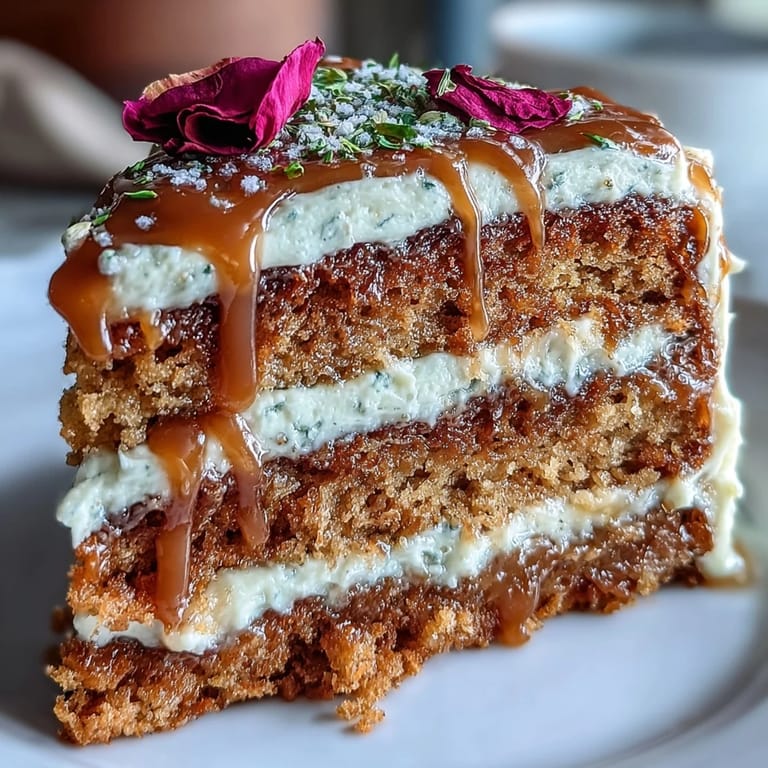
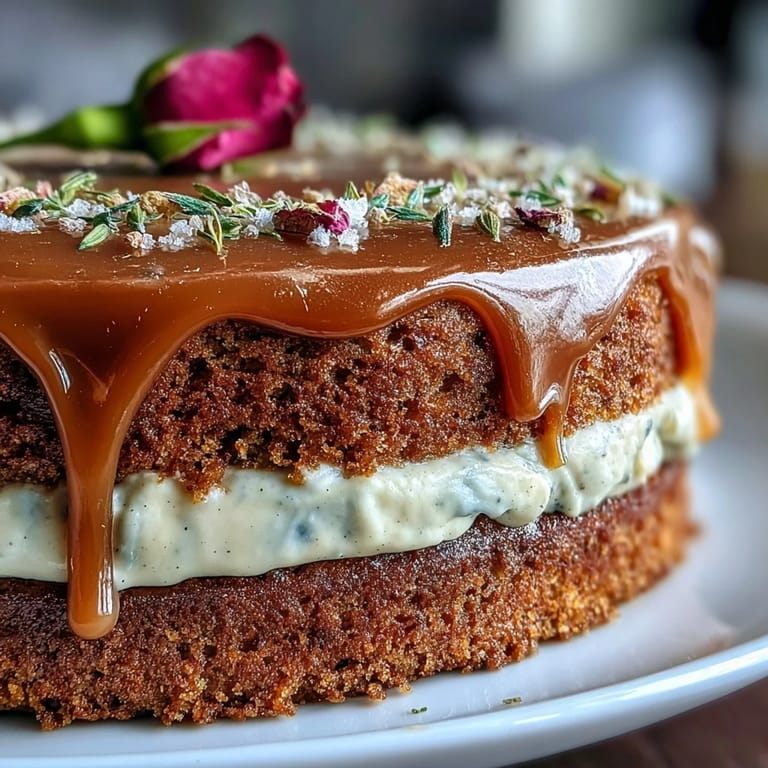
- Stack cakes with a thick swipe of buttercream between each, then sweep swirled buttercream around the outside for a marbled effect. Chill briefly so everything sets firm.
- Decorate:
- Artfully arrange edible flowers and a few sprigs of fresh herbs on top, with gold dust if you want a spark of drama. Each flower finds its perfect spot.
 Pin it
 There's a little magic each time I carry this cake out to a table, but once, my youngest cousin broke into applause and asked if it was "made of flowers and clouds." It was then I realized just how much joy a homemade cake brings, far beyond its taste or looks.
Choosing Your Earth Tones
I love experimenting with matcha for a mossy green or a wisp of beet powder for a romantic pink swirl—but even cocoa or turmeric add depth that surprises. Using these gives each cake a unique mood, and you can adjust colors for whoever you're celebrating. The powder goes a long way, so mix just a little into a small bowl of frosting first to test. Even spirulina, though sparingly, brings an earthy kick. I hand each guest a slice and let them guess what color is what—it never gets old.
How To Source Edible Flowers
Fresh edible blooms can be tracked down at farmers markets or by special order at some grocery stores—just triple check they're food safe. Never pick flowers from public spaces or florists, since pesticides may be involved. Grow your own if you want a yearly supply. Give each blossom a gentle rinse and dry on paper towels for the best finish. The look on guests' faces when they realize the flowers are real and edible is half the fun.
Mistakes And Little Triumphs
My first attempt had lopsided layers and accidental cocoa fingerprints along the side, but nobody seemed to mind. Frosting takes patience; swirling colors works best when the cake isn't too cold or too soft. Finding that balance between rustic and elegant is the secret to this cake. Serve big slices, and don't be shy with the flowers.
- Always taste the buttercream as you add floral waters.
- Cool cakes as long as needed before assembling.
- Don't forget a celebratory photo before cutting in.
 Pin it
 May this Taurus Cake bring you earthy comfort and blooming joy whenever you bake it. Every swirl and petal tells a little story of its own.
Recipe FAQ
- → How do I keep the cake layers moist?
Avoid overbaking by testing with a toothpick at the shortest bake time and remove when it comes out with a few moist crumbs. Measure flour accurately, don’t overmix the batter, and use sour cream or yogurt as the recipe suggests to retain tenderness.
- → Can I substitute sour cream?
Yes. Plain yogurt or a buttermilk equivalent (milk plus a splash of vinegar) will provide acidity and moisture. For similar richness choose full-fat yogurt or sour cream substitutes in equal amounts.
- → What are tips for natural coloring in the buttercream?
Use concentrated powders (matcha, beet, cocoa, turmeric, spirulina) sparingly and add a pinch at a time until desired hue is reached. Blend thoroughly and chill briefly to judge true color, as tones often deepen when chilled.
- → Are edible flowers safe to use as decoration?
Use only flowers labeled edible or sourced from suppliers who avoid pesticides. Popular choices here include pansies, violets and rose petals. Remove any non-edible stems and refrigerate if using delicate blossoms.
- → How should I store and serve the finished cake?
Store covered at room temperature up to 2–3 days; refrigerate if using very fresh flowers or warm climates. Bring the cake to room temperature before serving for best texture and flavor.
- → How do I get the butterscotch sauce to the right consistency?
Cook until the sugar dissolves and the sauce thickens slightly; it will thicken more as it cools. If too thin, simmer a little longer; if too thick, stir in a touch of cream or milk to loosen before folding into batter.