 Pin it
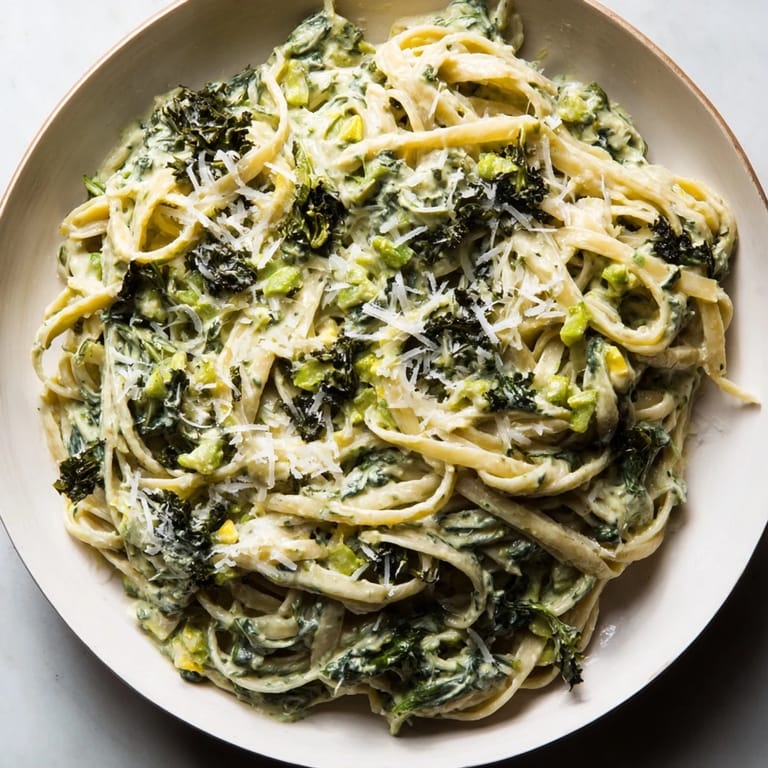
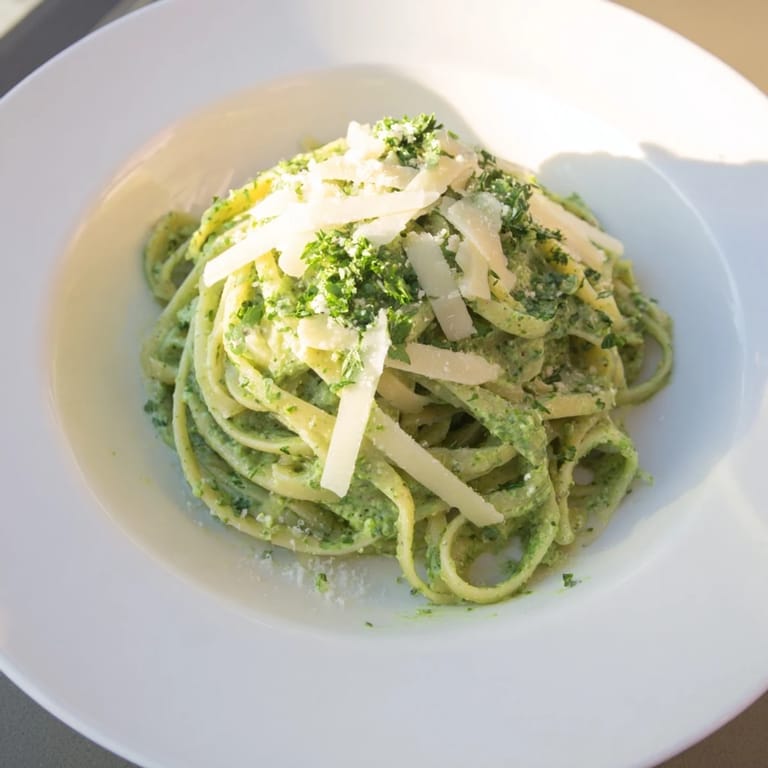
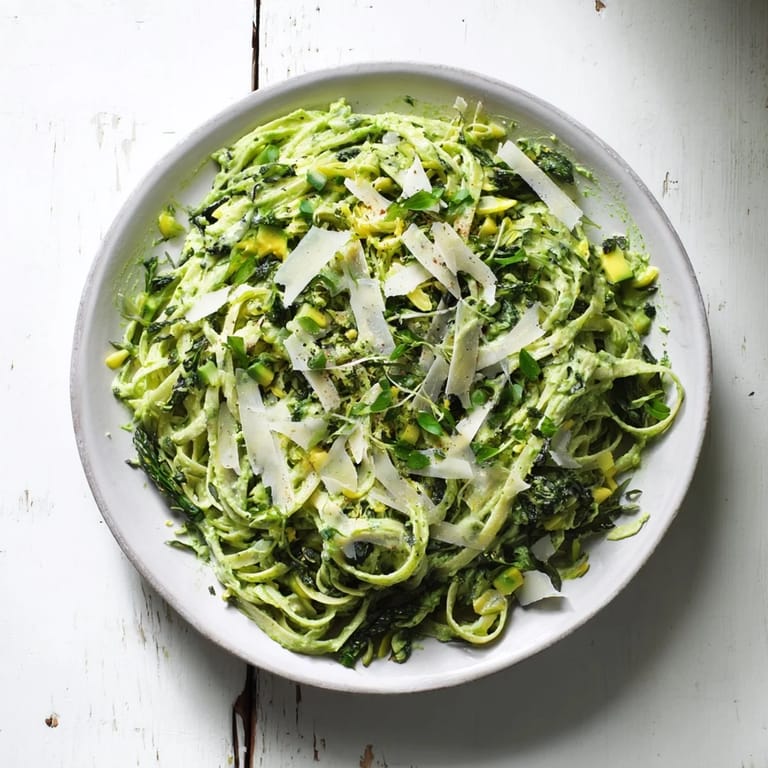
 I stumbled on this sauce during a week when my fridge was overflowing with greens I'd bought with good intentions but no real plan. Instead of letting them wilt, I tossed everything into the blender with whatever creamy things I had on hand. What came out was this electric green, intensely herbal sauce that tasted like spring in a bowl. My partner walked in, saw the color, and hesitated until the first bite made him go quiet in that good way.
The first time I served this to friends, I was nervous about the color. Bright green pasta can look a little swampy if you're not expecting it. But I watched everyone twirl their forks, take a bite, and then immediately go back for more without saying a word. One friend later texted me asking if I'd used some fancy imported pesto, and I had to laugh because it was just a bunch of grocery store herbs and a very loud blender.
Ingredients
- Baby spinach: The mildest green here, it blends smooth and adds body without any bitterness.
- Green cabbage: This was my wildcard addition and it works beautifully, adding a subtle sweetness and helping the sauce feel more substantial.
- Fresh parsley: Brings a clean, grassy brightness that keeps the sauce from feeling too rich.
- Fresh basil: The aromatic backbone, it makes everything smell like summer even in the middle of winter.
- Fresh chives: A gentle onion flavor that doesnt overpower, just whispers in the background.
- Fresh tarragon: Optional but worth it if you have it, it adds this faint licorice note that makes people wonder what the secret is.
- Garlic: Two cloves is enough to give it a little bite without turning it into garlic paste.
- Green onions: They add a sharper, fresher onion flavor than regular onions would.
- Avocado: This is what makes the sauce creamy and luscious without needing a ton of dairy.
- Greek yogurt or sour cream: Adds tang and creaminess, I go back and forth depending on what I have open.
- Mayonnaise: It might sound weird but it adds richness and helps emulsify everything into a glossy sauce.
- Parmesan cheese: Grated fine so it melts right into the sauce and adds that salty, umami depth.
- Lemon juice: Freshly squeezed is key here, it brightens everything and keeps the sauce from feeling flat.
- White wine vinegar: Just a teaspoon but it sharpens the flavors and balances the richness.
- Olive oil: Helps the blender run smoothly and adds a fruity richness.
- Salt and black pepper: Season generously, greens need more salt than you think.
- Crushed red pepper flakes: A pinch adds warmth without making it spicy, totally optional.
- Pasta: I like linguine because the sauce clings to the strands, but any shape works as long as you cook it properly.
Tired of Takeout? 🥡
Get 10 meals you can make faster than delivery arrives. Seriously.
One email. No spam. Unsubscribe anytime.
Instructions
- Boil the pasta:
- Get a big pot of water boiling with enough salt that it tastes like the sea, then cook your pasta until its just shy of fully tender. Before you drain it, scoop out half a cup of that starchy water because youll need it to loosen the sauce later.
- Blend the greens:
- While the pasta bubbles away, throw all your greens, herbs, garlic, onions, avocado, yogurt, mayo, Parmesan, lemon juice, vinegar, olive oil, salt, and pepper into a blender. Blend it hard until its completely smooth and vibrantly green, scraping down the sides once or twice so nothing gets left behind.
- Adjust the consistency:
- If the sauce looks too thick to toss with pasta, add the reserved pasta water a tablespoon at a time until it reaches a pourable, creamy consistency. You want it loose enough to coat every strand but not so thin it pools at the bottom of the bowl.
- Taste and tweak:
- This is where you make it yours. Taste it and add more salt if it feels flat, more lemon if it needs brightness, or more pepper if you want a little kick.
- Toss it all together:
- Drain the pasta and immediately toss it with the sauce while its still hot. The heat helps the sauce cling and the pasta absorb all those herby flavors.
- Serve right away:
- Plate it up and finish with a sprinkle of extra herbs and Parmesan if youre feeling fancy. It tastes best when its just made and still warm.
 Pin it
 This became my go-to when I wanted something that felt nourishing but exciting. I started making it on Sunday nights and eating it cold from the fridge for lunch the next few days. One afternoon my coworker saw me eating it and said it looked like something from a cafe, and I just smiled because I knew it cost me about six dollars and twenty minutes.
Making It Your Own
You can swap out the greens based on whats in your crisper drawer. Ive used arugula when I wanted it peppery, and kale when I wanted it earthy. Once I added a handful of toasted walnuts to the blender and it gave the sauce this deeper, almost nutty richness that made it feel more substantial. If youre vegan, just use plant-based yogurt and mayo and skip the Parmesan or use a cashew-based substitute.
Serving Suggestions
This sauce is versatile in a way that surprised me. Ive served it warm over pasta for dinner, cold as a pasta salad at a picnic, and even as a dip for raw vegetables when I had extra. It pairs beautifully with a crisp white wine like Sauvignon Blanc, something acidic that matches the brightness of the lemon and herbs. If youre feeding a crowd, double the recipe because people always want seconds.
Storage and Leftovers
The sauce keeps in an airtight container in the fridge for up to three days, and honestly it tastes even better the next day when everything has melded together. The color will dull slightly but the flavor deepens. If it thickens up in the fridge, just stir in a splash of water or olive oil to bring it back to life. I like to keep a jar of it on hand because it turns plain pasta into something that feels like an event.
- Store the sauce separately from the pasta if you can, it stays fresher that way.
- You can freeze the sauce for up to a month, though the color will fade a bit when you thaw it.
- Reheat gently or serve cold, both ways work perfectly.
 Pin it
 This recipe taught me that sometimes the best dishes come from using what you have instead of following a plan. I hope it becomes one of those easy, reliable favorites in your kitchen too.
Recipe FAQ
- → What greens are used in this sauce?
Baby spinach, green cabbage, fresh parsley, basil, chives, and optional tarragon provide layered herbaceous flavors.
- → How is the sauce made creamy?
Greek yogurt, mayonnaise, and Parmesan cheese blend smoothly with avocado and olive oil to create a creamy texture.
- → Can the sauce be made vegan?
Yes, substitute plant-based yogurt and vegan mayonnaise, and omit or replace Parmesan with a vegan alternative.
- → What pasta types work best with this sauce?
Long pastas like linguine, spaghetti, or short shapes such as penne pair well, holding the creamy herb sauce effectively.
- → How do you adjust the sauce consistency?
Add reserved pasta cooking water a tablespoon at a time while blending until a pourable, smooth consistency is achieved.
- → Can this be served cold?
Yes, it works well both warm and chilled, making it versatile as a warm sauce or pasta salad dressing.