 Pin it
 The first time I tasted zarb, I wasn't expecting the rush of smoke and memory that came with opening that foil-wrapped bundle. A Jordanian friend had spent the morning preparing it, and as the steam rose from the tray, the aroma of cumin, cinnamon, and slowly caramelized meat filled the entire kitchen. It wasn't just a dish—it was theater, patience, and the kind of cooking that makes you understand why families gather around food.
I made this for a dinner party once, and I remember my neighbor asking if I'd somehow smuggled an underground oven into my apartment. When we opened that foil at the table, everyone went quiet for a moment, just breathing in. That's when I knew this wasn't just a recipe—it was a way to make people feel transported.
Ingredients
- Lamb shoulder or chicken, 1.5 kg bone-in chunks: Bone-in meat stays juicier during the long cook, and the marrow adds depth to everything around it. I've learned that letting it rest in the marinade overnight means the spices have time to really sink in.
- Olive oil, 2 tbsp: This carries your spice blend and keeps everything moist as it cooks low and slow.
- Ground cumin, 2 tsp: The backbone of the flavor—warm, earthy, and essential to getting that authentic zarb taste.
- Ground coriander, 2 tsp: Adds a subtle brightness that keeps the dish from feeling too heavy.
- Ground cinnamon, 1 tsp: Just enough to create that savory-sweet complexity that makes you pause between bites.
- Smoked paprika, 1 tsp: This is what brings the echo of the underground oven into your kitchen oven—don't skip it.
- Ground black pepper, 1 tsp: Fresh ground makes all the difference here.
- Salt, 2 tsp: Season generously; the long cooking time carries the salt throughout.
- Garlic, 4 cloves minced: Mellow and sweet after slow cooking, not sharp or biting.
- Lemon juice, 1 juice: Cuts through the richness and keeps everything tasting bright.
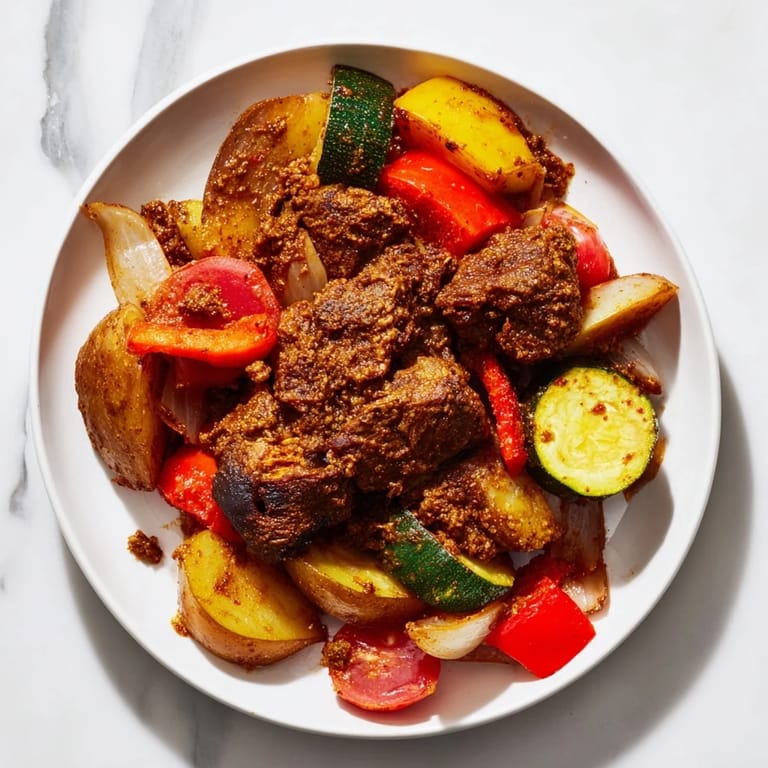
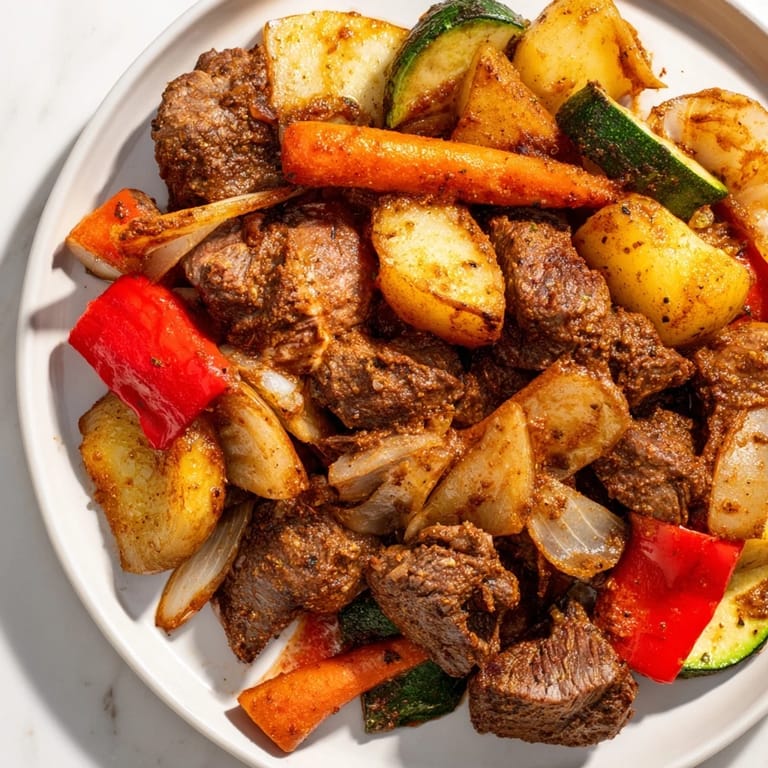
- Potatoes, 3 large quartered: They absorb the cooking liquid and become almost creamy without any cream involved.
- Carrots, 3 large in chunks: Stay firm enough to bite into while soaking up all the flavor.
- Onions, 2 medium quartered: Break down slightly and sweeten as they cook, thickening the juices naturally.
- Zucchini, 2 medium in thick rounds: Keep their shape and develop a tender interior with a slightly caramelized exterior.
- Bell peppers, 1 red and 1 green in chunks: Add color and a gentle sweetness that balances the spices.
- Tomatoes, 2 medium quartered: Release their liquid and add subtle acidity to the final dish.
- Long-grain rice, 2 cups rinsed: A neutral bed for the meat and vegetables to rest on—optional but traditional.
- Chicken or vegetable broth, 3 cups: For cooking the rice with extra flavor.
- Butter or olive oil, 1 tbsp: Makes the rice fluffy and luxurious.
Tired of Takeout? 🥡
Get 10 meals you can make faster than delivery arrives. Seriously.
One email. No spam. Unsubscribe anytime.
Instructions
- Make your spice marinade:
- In a large bowl, combine olive oil with all the spices—cumin, coriander, cinnamon, paprika, pepper, and salt. Add your minced garlic and lemon juice, stirring until it smells like warmth and possibility. This is your flavor foundation.
- Coat and rest the meat:
- Add your lamb or chicken pieces to the bowl and massage the marinade in like you're actually working it into the meat. Cover and refrigerate for at least an hour, but overnight is when the magic really happens—the spices have time to penetrate.
- Prep your vegetables:
- While the meat rests, peel and cut your potatoes into quarters, chop your carrots into large pieces, quarter the onions, slice the zucchini into thick rounds, cut the bell peppers into chunks, and quarter the tomatoes. In a separate bowl, toss them with a little olive oil, salt, and pepper.
- Arrange everything in the pan:
- Preheat your oven to 180°C (350°F). Arrange your marinated meat on a wire rack or large roasting tray, then arrange all the vegetables around and beneath it. This setup lets the meat stay elevated while the vegetables catch all those dripping juices below.
- Seal it tight:
- Cover your tray tightly with foil, pressing it down around the edges so steam stays trapped inside. If you have banana leaves, wrap those first for authenticity, then foil on top. This sealed environment is what creates that tender, smoke-infused texture.
- Let time do the work:
- Bake for two and a half hours, or until the meat is so tender it wants to fall from the bone and the vegetables are completely soft. Don't peek too much—every time you open that foil, you let precious steam escape. Trust the process.
- Make the rice if serving:
- About thirty minutes before the zarb is done, combine your rinsed rice, broth, butter, and salt in a saucepan. Bring to a boil, then reduce heat, cover, and simmer for fifteen to twenty minutes until fluffy and all the liquid is absorbed.
- Serve with ceremony:
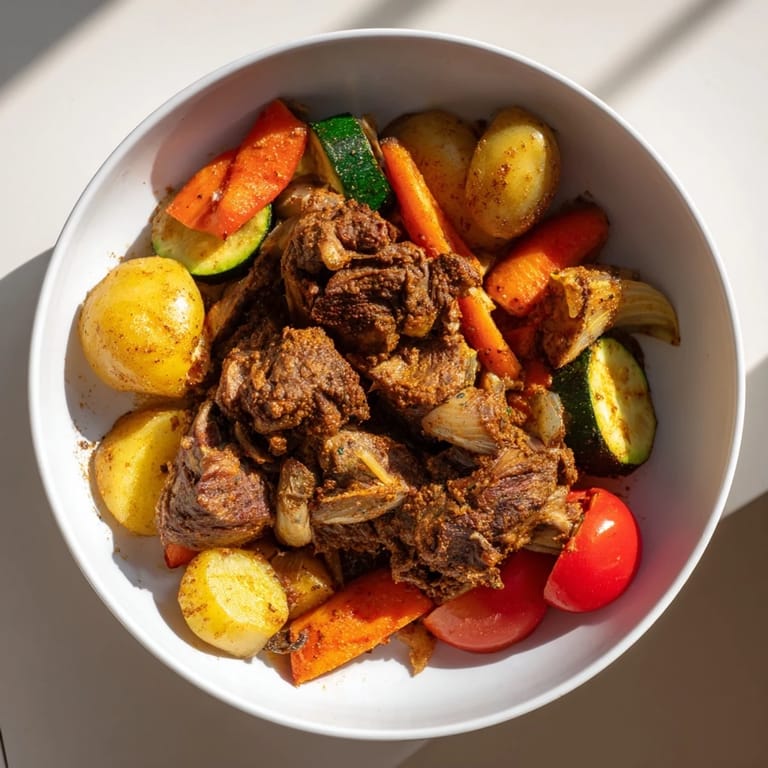
- Carefully open the foil at the table if you can—let everyone experience that moment of steam and aroma. Transfer the meat and vegetables to a large platter, optionally over a bed of rice, and spoon all those precious juices over the top.
 Pin it
 I think zarb works its magic because it asks you to slow down. In our rush to get food on the table, this dish insists on two and a half hours of patience, filling your home with anticipation. By the time you unwrap it, you're not just eating; you're celebrating the time and care that went into making something that tastes like it came from centuries of tradition.
The Underground Tradition
Authentically, zarb is cooked in a pit dug in the ground—often called a taboon—where meat and vegetables are wrapped in leaves and placed in a clay-lined hole with hot coals and sand on top. This ancient method has roots deep in Bedouin culture, where it served as a communal feast that cooked slowly while people gathered around. Your home oven is a worthy substitute, but if you ever get the chance to experience true underground zarb, the flavor is unforgettable—there's a subtle smokiness that comes from actual fire and earth that modern ovens can't quite replicate. Smoked paprika in the marinade is my attempt to honor that tradition when we're cooking in kitchens with four walls.
Variations Worth Trying
Once you've made zarb once, you'll start experimenting. Eggplant and sweet potatoes work beautifully alongside or instead of regular potatoes. Some families add dried apricots or prunes to the marinade for subtle sweetness. I once made it with a mixture of lamb and chicken because that's what I had on hand, and honestly, the combination was better than either alone. The vegetables are flexible too—use what's in season or what you love. The constant is the spice marinade and the long, slow cooking that makes everything tender.
What to Serve Alongside
Zarb is rich and complex, so it wants simple, bright accompaniments. Tangy yogurt sauce is traditional—just mix plain yogurt with a little lemon juice, garlic, and salt. Fresh flatbread is essential for scooping up the juices. A simple salad of tomatoes, cucumber, and parsley cuts through the richness. If you're having wine, go for something robust and red that can stand up to the spices. Traditional mint tea served afterward is the perfect cooling finish.
- Make the yogurt sauce ahead and let it chill while the zarb cooks.
- Warm your flatbread just before serving so it's still soft and pliable.
- Fresh herbs sprinkled over everything at the end—parsley, mint, or cilantro—add a final brightness that ties it all together.
 Pin it
 Make zarb when you want to feel connected to something bigger than just dinner—when you want your kitchen to smell like adventure and your table to feel like somewhere people actually want to gather. It's worth every minute.
Recipe FAQ
- → What type of meat is best for Jordanian Zarb?
Lamb shoulder or bone-in chicken pieces are ideal for their flavor and tenderness when slow-cooked.
- → How does the underground oven affect the dish?
The underground oven traps steam and smoke, infusing the meat and vegetables with a deep, smoky aroma and keeping them moist.
- → Can the vegetables vary in the preparation?
Yes, typical vegetables include potatoes, carrots, onions, zucchinis, and bell peppers, with optional additions like eggplant or sweet potatoes.
- → What spices are traditionally used in the marinade?
Cumin, coriander, cinnamon, smoked paprika, black pepper, and garlic create a complex, warm spice profile.
- → Is serving rice necessary with this dish?
Rice is optional but complements the succulent meats and vegetables by absorbing flavorful juices.