 Pin it
 The first time I tasted authentic hummus was in a small Beirut kitchen where an elderly woman barely looked at her measurements, just knowing by feel when the blend was right. She let me watch as she swirled the paste into a shallow bowl, explaining that hummus wasn't meant to be perfect—it was meant to be honest. Now, whenever I make this creamy chickpea dip, I think of her hands moving with such certainty, and I try to channel that same quiet confidence, even when I'm checking the consistency every few seconds.
I learned the real magic of hummus when I served it at a casual dinner party and watched people slow down mid-conversation to savor each bite. Someone asked for the recipe, and I realized I'd created something that tasted both exotic and comforting—exactly the kind of food that makes people feel welcome at your table without demanding your whole evening.
Ingredients
- Chickpeas: The foundation—use canned and drained unless you want to cook dried ones, which takes longer but tastes slightly more nuanced.
- Tahini: This sesame paste is non-negotiable; it's what transforms chickpeas into silk, so buy good stuff and stir it well before measuring.
- Lemon juice: Freshly squeezed makes all the difference—bottled tastes flat and won't give you that bright, clean finish.
- Garlic: One small clove is plenty; too much and you'll regret it with every spoonful.
- Cold water: Essential for thinning the blend to that perfect cloud-like consistency.
- Cumin and sea salt: These aren't just seasonings—they're the whisper that says this is hummus, not just blended chickpeas.
- Olive oil, paprika, and parsley: The final flourish that transforms it from simple to special.
Tired of Takeout? 🥡
Get 10 meals you can make faster than delivery arrives. Seriously.
One email. No spam. Unsubscribe anytime.
Instructions
- Gather and prep:
- Line everything up before you start—tahini, lemon juice, drained chickpeas, minced garlic, and that cold water. Having it ready means you can move smoothly without hunting for the cumin halfway through.
- Build the blend:
- Add chickpeas, tahini, lemon juice, garlic, cold water, cumin, and salt to the food processor. Start low and let the machine work; rushing this with high speed just makes a mess.
- Reach for silk:
- Blend until you can't see any grit, scraping the sides when needed. This takes longer than you think—maybe two or three minutes—but that's where the magic lives.
- Fix the texture:
- If it looks like peanut butter, add cold water one tablespoon at a time, pulsing between additions until it flows like soft clouds. This step is where you develop a feel for it.
- Taste and trust yourself:
- Pinch a tiny bit and let it sit on your tongue—does it need more salt, more brightness from lemon, or deeper warmth from cumin? Adjust boldly; you can't over-season hummus.
- Plate with intention:
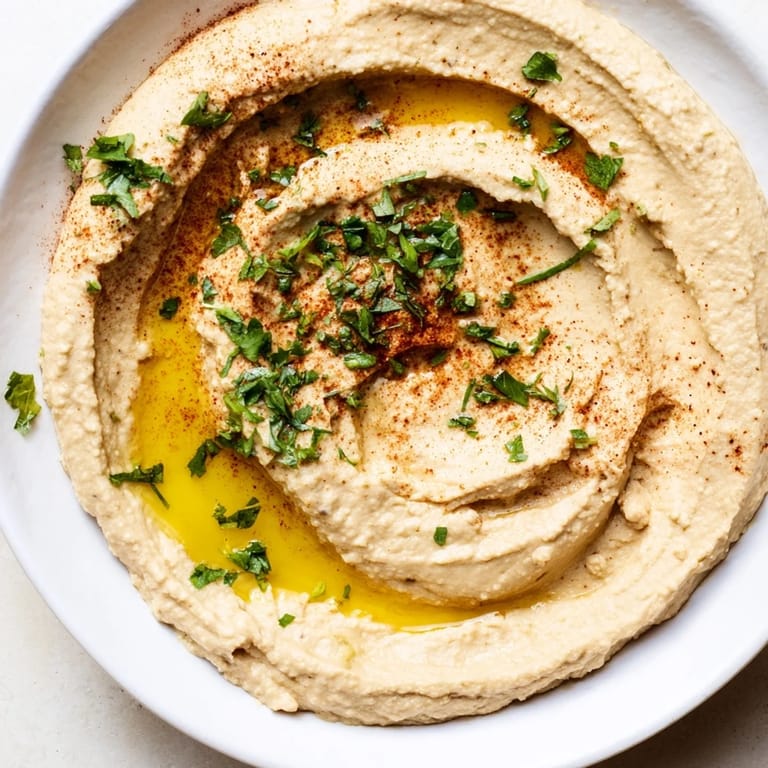
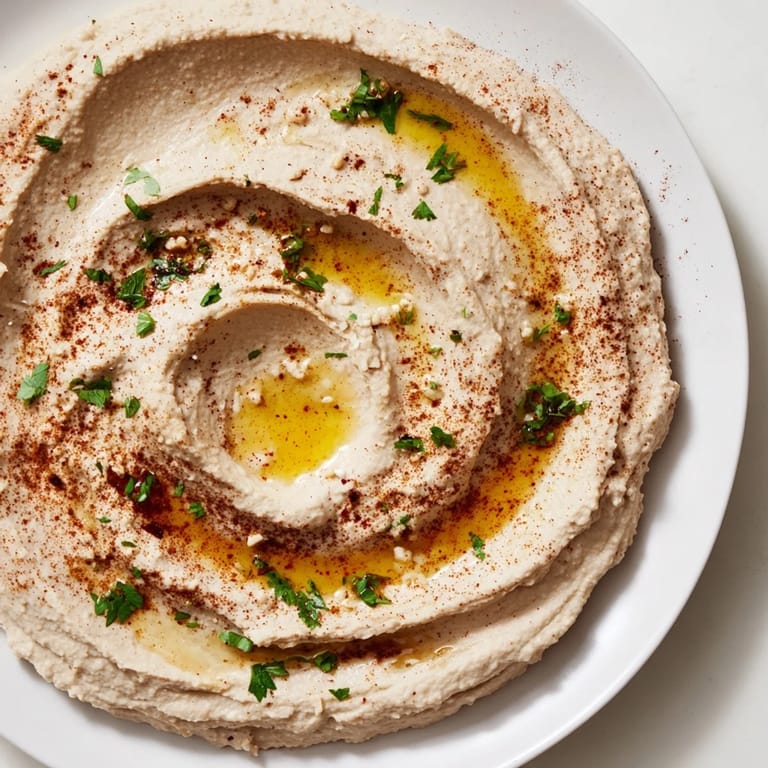
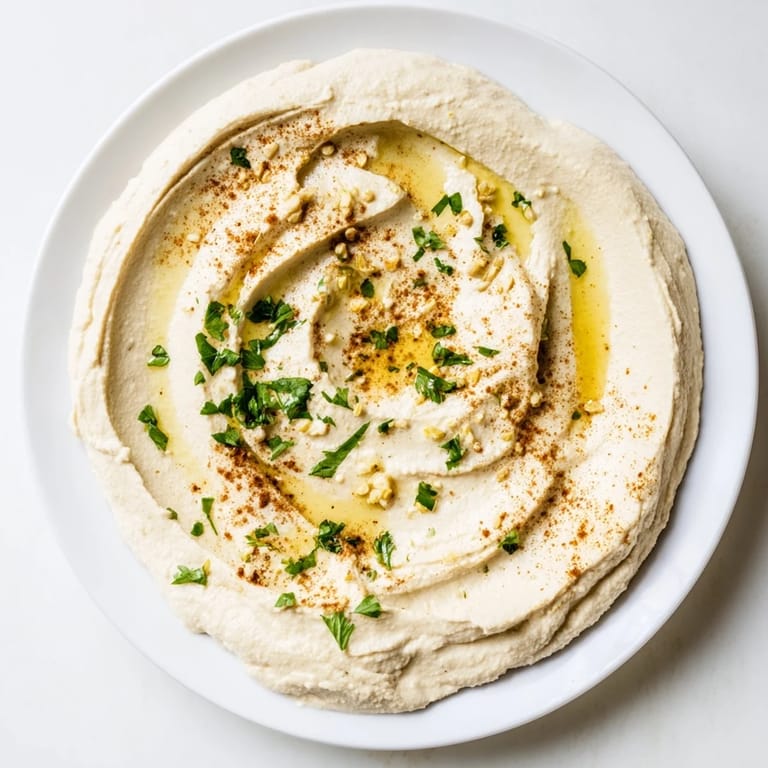
- Spread it into a shallow bowl, use the back of a spoon to create a gentle well in the center, and let it pool slightly. This isn't fussy; it's part of how hummus is meant to look.
- Finish with confidence:
- Drizzle olive oil in a thin stream around the edge, dust with paprika or sumac, scatter parsley, and step back. Serve it while you can still feel the warmth of your hands in the kitchen.
 Pin it
 There's a moment when hummus stops being just food and becomes an act of generosity. I've seen it break bread between strangers and bring shy people into conversation. Serving it with warm pita and fresh vegetables feels like saying, without words, that you care enough to make something from scratch.
The Secret of Peeling
The first time I peeled chickpeas before blending, I thought it was tedious busywork—until I tasted the difference. That papery skin holds a hint of bitterness that disappears entirely once you remove it, leaving only pure, sweet chickpea flavor. If you're making hummus for someone special or you want to taste the absolute best version, take the five minutes to rub each chickpea between your fingers after cooking. Your hummus will taste so refined that people will assume you learned this in the Levant.
Building a Mezze Moment
Hummus never stands alone in my kitchen—it's the quiet beginning of something bigger. Surround it with warm pita bread, crisp vegetables like cucumbers and radishes, crumbly feta, and olives, and suddenly you've created a whole ritual of eating, sharing, and lingering at the table. I've found that the presentation matters because people eat with their eyes first; a beautiful hummus plate says you've thought about their experience, not just their hunger.
Adjusting for Your Taste
Hummus is deeply personal, and what tastes balanced to me might feel different to you. Some people want more garlic and lemon for brightness; others prefer deeper cumin and less acidity. I always tell people to taste as they go and adjust boldly—there's no recipe police here, just your palate and what makes you happy. The beauty of making hummus at home is that you can chase your own version of perfect, serving it exactly as you love it.
- If you like heat, add a tiny pinch of cayenne pepper before blending or dust it on top with the paprika.
- For earthier hummus, increase the cumin slightly and add a whisper of smoked paprika instead of sweet.
- If you're serving it for someone with a nut-free kitchen, double-check your tahini label, as some brands process their seeds in shared facilities.
 Pin it
 This hummus is proof that the simplest foods, made with care and fresh ingredients, can feel like a gift. Serve it, watch people's faces, and remember that feeding others is one of the most honest things you can do.
Recipe FAQ
- → What ingredients give the hummus its creaminess?
The creamy texture comes from pureed chickpeas blended with tahini and olive oil, which add richness and smoothness.
- → How can I achieve a smoother consistency?
Peeling the chickpeas before blending and adding cold water gradually help create an ultra-smooth texture.
- → What spices enhance the flavor?
Ground cumin adds warmth, while sweet paprika or sumac sprinkled on top contributes a subtle smoky or tangy note.
- → Can this dish be prepared ahead of time?
Yes, it can be refrigerated in an airtight container for up to 4 days without losing its freshness.
- → What are common garnishes used?
A drizzle of extra virgin olive oil and a sprinkling of chopped fresh parsley provide both visual appeal and added flavor.