 Pin it
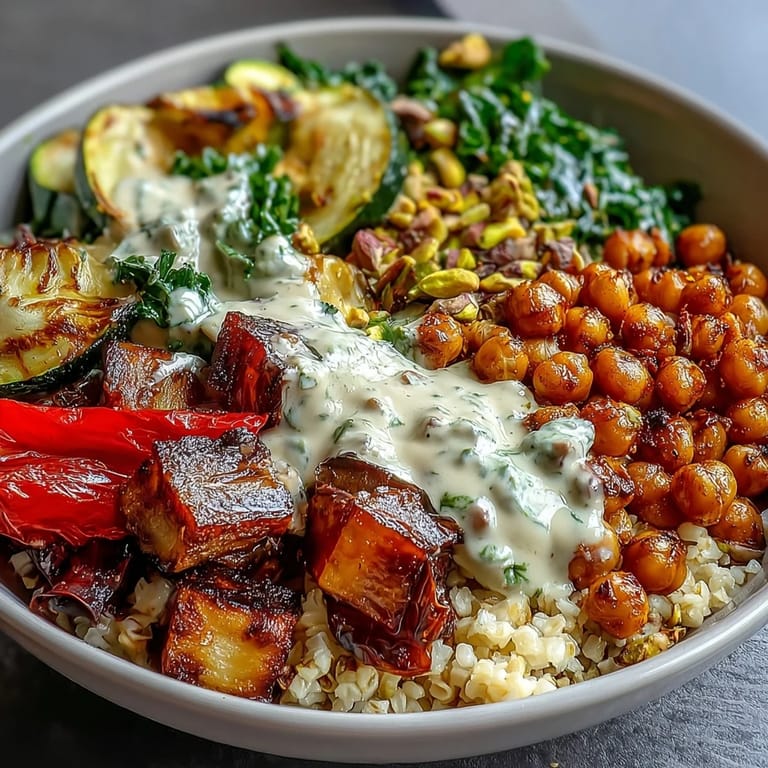
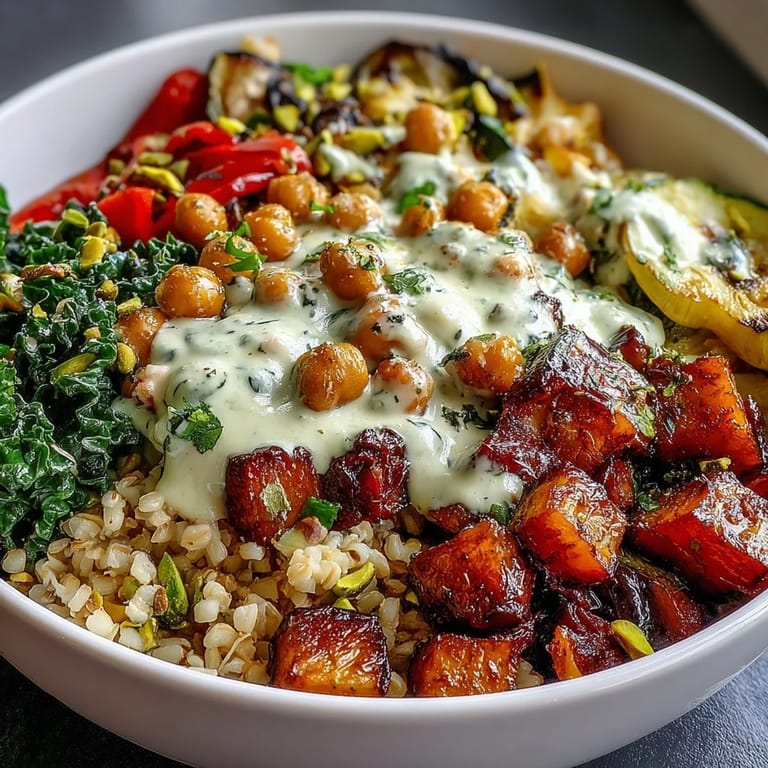
 I stumbled upon the magic of Buddha bowls during a particularly chaotic week when my fridge was overflowing with half-used vegetables and I needed something that looked intentional rather than desperate. The moment I arranged that first bowl—layers of warm bulgur, charred eggplant, emerald kale, and a golden tahini drizzle—I realized I'd found something that worked for both my rushed weekdays and my desire to actually enjoy what I eat. Now I make four at a time, and somehow the ritual of assembly feels more like meditation than meal prep.
I made these bowls for my sister when she was visiting between jobs, stressed and uncertain about what came next, and watching her face light up as she took that first bite reminded me that food is more than fuel—it's a small act of care. She asked for the recipe immediately, and three months later she texted me a photo of her own meal prep lined up in her new apartment's kitchen. That's when I knew this wasn't just another healthy bowl; it was something worth sharing.
Ingredients
- Bulgur wheat: The nutty backbone that holds everything together, and it cooks faster than you'd think—toasting it first deepens the flavor considerably.
- Vegetable broth: Use good quality if you can; it seasons the grain from the inside out, making every bite taste intentional.
- Shelled pistachios: They add crunch and a subtle earthiness that makes the whole bowl feel less predictable, plus they're beautiful scattered on top.
- Eggplant: High heat is non-negotiable here—it's what transforms it from spongy to golden-edged and caramelized.
- Zucchini and bell pepper: The vegetables that actually taste like themselves when roasted, and they soften to the point where they're almost creamy inside.
- Kale: Lacinato if you can find it, as it's more tender than the curly varieties and doesn't feel like eating crunchy leaves.
- Chickpeas: Warming them gently lifts them from canned-tasting to something approaching homemade, and crisping up the edges is optional but life-changing.
- Tahini: The creamy glue that makes this bowl feel Mediterranean rather than just vegetable-forward; raw, unsweetened versions work best.
- Lemon juice: Don't skip this or use bottled; fresh lemon brightens everything it touches.
Tired of Takeout? 🥡
Get 10 meals you can make faster than delivery arrives. Seriously.
One email. No spam. Unsubscribe anytime.
Instructions
- Heat your oven and prep the vegetables:
- Turn the oven to 425°F and toss your eggplant, zucchini, and bell pepper with olive oil and smoked paprika—the paprika adds a subtle depth that makes people ask what the secret is. Spread everything on a single baking sheet in a single layer so the vegetables roast rather than steam, and set them aside while you handle the other components.
- Build and toast the bulgur:
- Warm olive oil in a saucepan over medium heat and let the shallot soften until it turns translucent and sweet. Stir the bulgur with the cumin and let it toast for just a minute—you'll smell a toasted grain aroma that means you're doing it right.
- Cook the bulgur pilaf:
- Pour in the vegetable broth and bring it to a boil, then cover the pot tightly and reduce the heat to low for 12 to 15 minutes until the liquid disappears completely. When you lift the lid, fluff everything with a fork and fold in the pistachios before tasting for salt and pepper.
- Roast the vegetables simultaneously:
- While the bulgur cooks, get those vegetables in the oven and forget about them for about 13 minutes, then turn everything over so the other sides catch the heat. They're done when the edges are deeply golden and the insides are tender enough to break apart with a wooden spoon.
- Prepare the kale:
- Either steam it briefly until it wilts and turns a brighter green, or sauté it in a skillet with a little olive oil and salt if you prefer more texture. Either way takes just a few minutes, and the goal is wilted but not limp.
- Warm the chickpeas:
- Toss them in a small skillet with a drizzle of olive oil and a pinch of salt over medium heat for a couple of minutes, which somehow makes them taste less like they came from a can. If you want crispy edges, let them sit undisturbed for a minute before stirring.
- Make the tahini dressing:
- Whisk tahini with fresh lemon juice, minced garlic, maple syrup, and salt in a bowl, then add water a tablespoon at a time until you reach that perfect pourable consistency. Taste it and adjust the lemon or salt; this dressing should taste balanced enough to stand on its own but mellow enough to coat everything gracefully.
- Assemble and store:
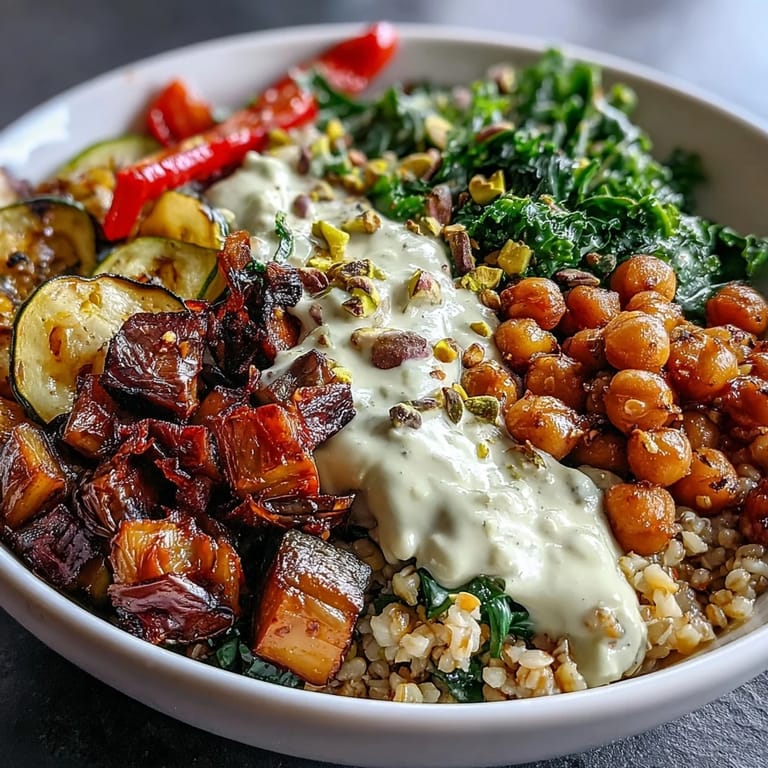
- Divide the bulgur pilaf among four containers or bowls, then arrange the roasted vegetables, kale, and chickpeas on top in a way that makes you want to look at it. Drizzle the tahini dressing generously and store covered in the refrigerator, where everything stays fresh and ready for the week ahead.
 Pin it
 There's a quiet satisfaction in opening the refrigerator on a Tuesday morning and seeing four beautiful bowls lined up, each one a small promise that you're going to eat something nourishing without having to think about it. It's the kind of meal that reminds you that taking care of yourself doesn't have to feel like punishment.
Why This Bowl Became My Go-To
What makes this bowl special isn't any single ingredient but how they talk to each other—the nutty bulgur, the sweet roasted vegetables, the bitter greens, and the creamy dressing create a conversation rather than a one-note dish. I've made this same bowl for friends with wildly different dietary preferences, and everyone finds something to love in it, which is rarer than it sounds.
Stretching This Recipe Further
If you're cooking for more than four people, this recipe doubles easily without any adjustments—just use two baking sheets for the vegetables and give them the same 25 to 30 minutes. I've also discovered that leftover roasted vegetables work beautifully mixed into a grain salad or scattered over hummus and crackers, so there's rarely any waste.
Making It Your Own
The beauty of a Buddha bowl is that it's endlessly flexible depending on what's in your kitchen or what you're in the mood for—I've made versions with roasted sweet potato and cumin-spiced chickpeas, others with brown rice instead of bulgur when I wanted something heartier. The tahini dressing stays constant as your anchor, holding whatever vegetables and grains you choose together in harmony.
- Grilled tofu or tempeh adds serious protein if you want something more substantial, and feta crumbles work beautifully if you eat dairy.
- Try roasted carrots, parsnips, or Brussels sprouts instead of some of the vegetables depending on the season and what looks good.
- A squeeze of pomegranate molasses or a drizzle of za'atar on top adds brightness and makes the whole thing feel a little more special.
 Pin it
 This bowl tastes even better when you slow down and actually notice what you're eating instead of rushing through it at your desk. That's the whole point, really—food that nourishes both your body and your mood, made with enough intention that you feel it.
Recipe FAQ
- → How long do these bowls keep in the refrigerator?
These bowls stay fresh for 4–5 days when stored in airtight containers. Keep the dressing separate and drizzle just before serving for best texture.
- → Can I freeze the components?
The roasted vegetables and chickpeas freeze well for up to 3 months. Bulgur and kale are best enjoyed fresh, though the pilaf can be frozen if needed.
- → What can I substitute for bulgur?
Quinoa, brown rice, farro, or couscous work beautifully. Adjust cooking liquid and time according to package directions.
- → Is this dish gluten-free?
Not as written since bulgur contains wheat. Simply swap in quinoa or certified gluten-free grains to make it completely gluten-free.
- → How can I add more protein?
Grilled tofu, tempeh, chicken, or feta cheese are excellent additions. You can also increase chickpeas or add hemp seeds to the tahini dressing.
- → Can I reduce the tahini flavor?
Replace half the tahini with Greek yogurt or increase the lemon juice and maple syrup. This creates a milder, creamier finish.