 Pin it
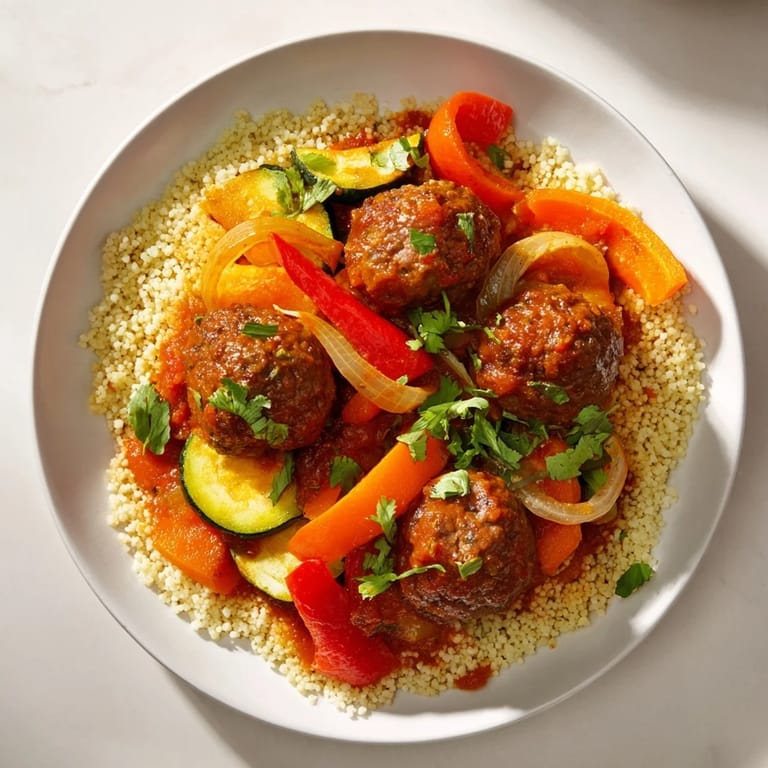
 My first bite of kefta was in a cramped kitchen in Marrakech, where a woman I'd just met that morning was shaping meat into perfect little balls with the kind of confidence that comes from doing something a thousand times. She didn't measure anything—just knew when the spices were right by smell. Now whenever I make this, I chase that same feeling: the warmth of cumin and cinnamon hitting hot oil, the vegetables softening into something tender and golden, the meatballs barely needing to be stirred because they're nestled so gently in that aromatic broth.
I made this for a friend who'd been going through a rough patch, and she sat at my kitchen counter just watching the meatballs cook, saying the smell alone was making her feel better. By the time we sat down, she'd already laughed three times. That's when I realized this dish isn't just about flavor—it's about gathering people around something warm and alive.
Ingredients
- Ground beef or lamb: Lamb gives you that authentic North African depth, but beef works beautifully too and is usually easier to find and lighter on the wallet.
- Fresh parsley and cilantro: Don't skip these or use dried—they're what make the kefta taste alive rather than just spiced.
- Cumin, coriander, cinnamon: These three are the holy trinity of the dish; they work together to create that warm, slightly sweet spice that defines the whole thing.
- Grated onion: This seems odd, but it dissolves into the meat and acts like a secret binder while adding moisture that keeps the meatballs from getting dense.
- Carrots, bell pepper, zucchini: Cut them all roughly the same size so they cook at the same pace and give you those little bursts of sweetness throughout.
- Vegetable or beef broth: Use something you'd actually drink—the broth becomes part of the flavor, not just a cooking liquid.
- Couscous: This isn't the hard part; it's just steam, oil, and time doing the work for you.
Tired of Takeout? 🥡
Get 10 meals you can make faster than delivery arrives. Seriously.
One email. No spam. Unsubscribe anytime.
Instructions
- Make the kefta:
- Dump everything into a bowl and use your hands to mix until it holds together like a soft paste. Don't overmix or the meatballs will be tight and rubbery; just combine until you don't see streaks of meat anymore. Shape them roughly walnut-sized so they cook through in about 25 minutes without drying out.
- Start the vegetable base:
- Heat oil in your pot until it shimmers, then add the sliced onion. Let it go golden and soft—this takes patience, but you're building flavor here. The caramelization matters.
- Layer in the vegetables:
- Carrots and bell pepper go in next since they take longest, then zucchini follows a minute later. You're looking for them to soften slightly but still hold their shape, not turn into mush.
- Add the aromatics and spices:
- Tomatoes and garlic go in briefly, then all the spices. Stir constantly for about a minute so the spices bloom and coat everything evenly—this is where the dish gets its soul.
- Build the broth and nestle the kefta:
- Pour in your broth, bring it to a simmer, then gently add the meatballs. They'll sink and nestle among the vegetables. Cover and let it bubble gently for 25 minutes, stirring just once halfway through to make sure nothing's sticking.
- Prepare the couscous:
- While everything simmers, put couscous in a bowl with salt and oil, pour boiling water over it, and cover. Five minutes later, fluff with a fork and it's ready.
- Bring it all together:
- Mound the couscous on a platter, top with the kefta and vegetables and all their sauce, then shower it with fresh herbs. Serve family-style if you can—there's something about everyone serving themselves that makes it feel like a celebration.
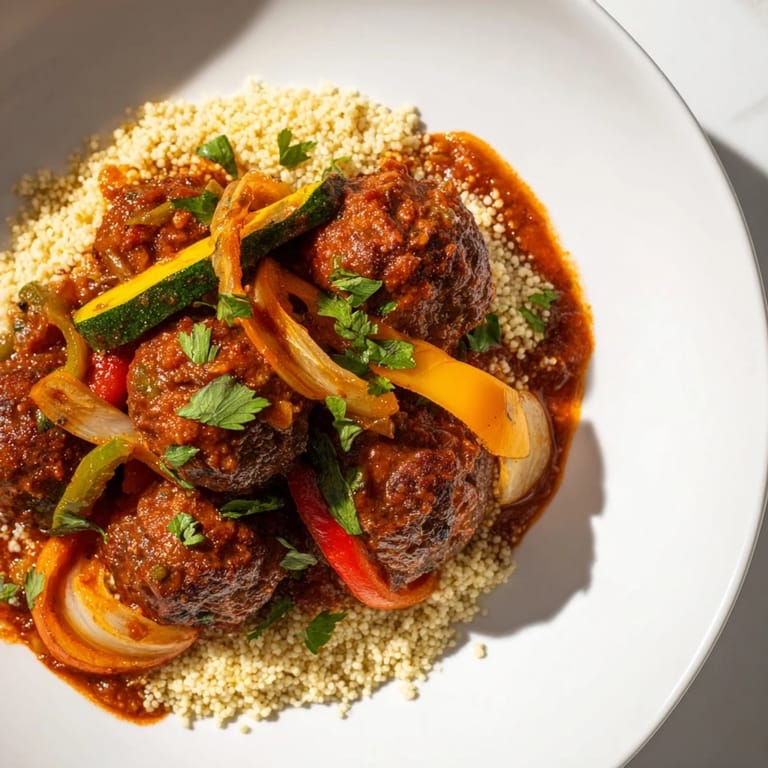 Pin it
 There's a moment right before you serve this when you taste a bit of the sauce and realize you've made something that tastes like someone spent hours on it, when really you've just spent about an hour and trusted the spices and the heat to do their job. That's the magic of this dish.
On Spices
If you're working with spices that have been sitting in your cupboard for more than six months, they've probably lost some of their punch. North African cooking relies on spices being fragrant and alive, so if your cumin smells dusty instead of warm and earthy, consider getting a fresh bottle. You'll notice the difference immediately. The cinnamon should be sweet when you smell it, not sharp. And if you can find Casablanca or Marrakech spice blends at a Middle Eastern market, they're worth trying alongside or instead of mixing your own.
Variations That Work
Lamb is traditional, but ground chicken makes it lighter and works beautifully with the same spice blend. You can also add chickpeas to the sauce—they'll absorb all the flavor and give you extra protein and texture. Some people add a pinch of saffron to the broth, which is subtle but adds a floral note that's really special. If you want it spicier, increase the cayenne, but remember you can always add more heat at the table.
Serving and Storing
This dish is even better the next day when all the flavors have had time to settle and get to know each other. Reheat it gently on the stove, add a splash of water if it's dried out, and serve over fresh couscous. It keeps in the fridge for three or four days, and it freezes beautifully too—just leave out the fresh herbs and add them when you reheat.
- Make the kefta the night before and keep them covered in the fridge so they're ready to go straight into the pot.
- If you're cooking for a crowd, you can double the sauce and meatballs easily, but fresh herbs should always wait until just before serving.
- Couscous is best made fresh, but if you have leftovers, fluff them with a fork and a bit of oil to bring them back to life.
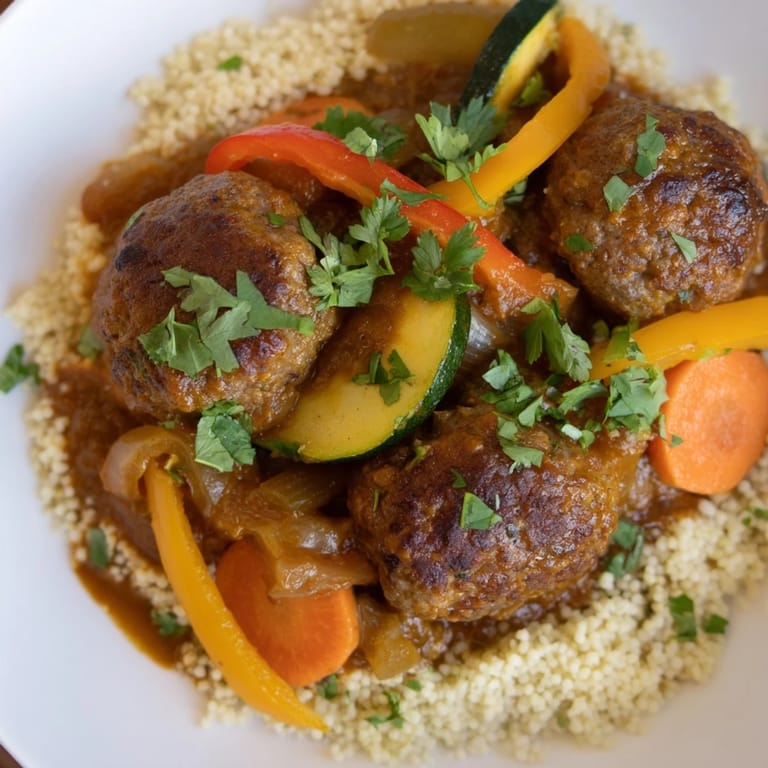 Pin it
 There's a reason this dish has traveled across generations and continents—it's forgiving, generous, and tastes like home the moment you taste it, even if it's your first time making it. Once you've made it once, you'll make it again.
Recipe FAQ
- → What type of meat is best for the meatballs?
Ground lamb or beef work well, providing rich flavor and tender texture. Choose according to your preference.
- → Can I prepare the couscous in advance?
Yes, couscous can be prepared ahead and kept covered; fluff it with a fork before serving for best results.
- → How do the spices enhance the dish?
Spices like cumin, coriander, cinnamon, and paprika create a warm, aromatic profile that complements the meat and vegetables beautifully.
- → Are there suitable vegetable alternatives for this dish?
You can substitute or add vegetables like eggplant, chickpeas, or potatoes to vary texture and flavor.
- → What’s the best way to ensure the meatballs stay tender?
Mixing the meat thoroughly with finely grated onion and fresh herbs helps maintain moisture and tenderness during cooking.